Lush, beautiful, and remote – Chesterfield canal
Second tidal Trent passage
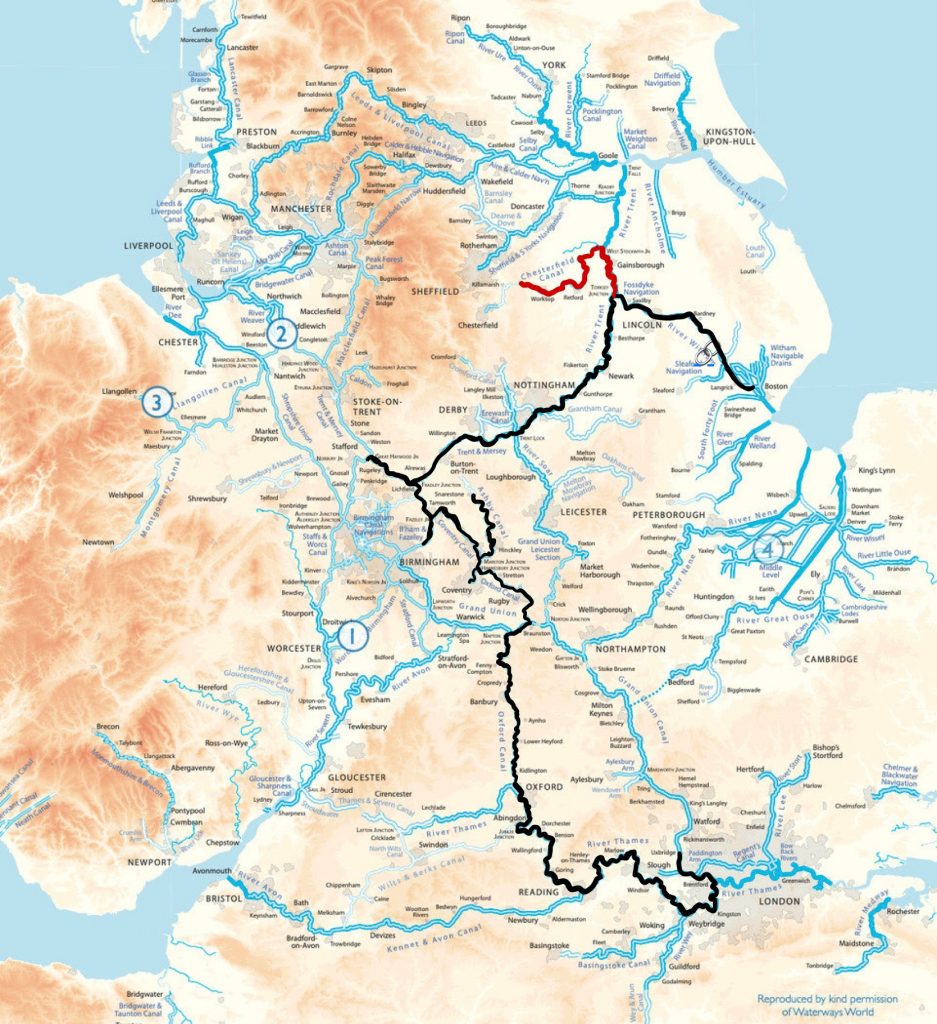
Leaving Torksey – the lock to the tidal Trent – again I went further down the mighty river to West Stockwith, where the Chesterfield Canal meets the Trent. This time I did this trip on my own, which involved steering and following the charts at the same time.
Fortunately I met another boat at Torksey that I could follow to West Stockwith. They had grounded themselves on a gravel bank the day before. I was weighing up the pros and cons of following another boat and having support in case anything goes wrong against following a boat that had all the charts and had managed to ground itself nevertheless.
I decided the pros won and I followed them out onto the river.
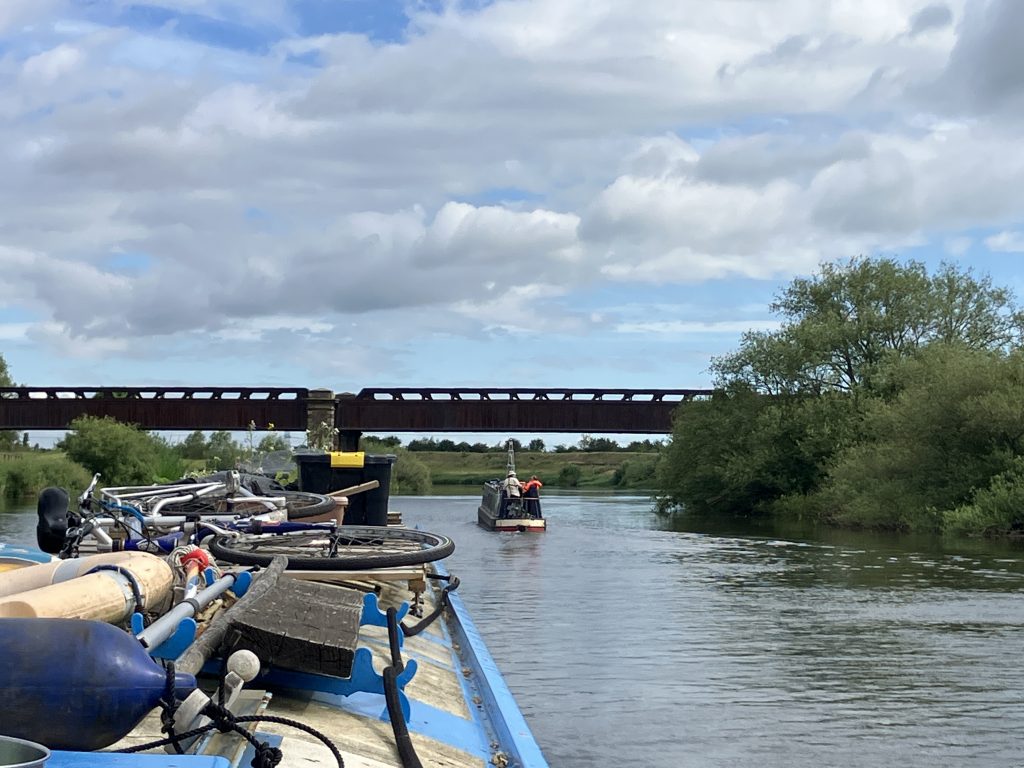
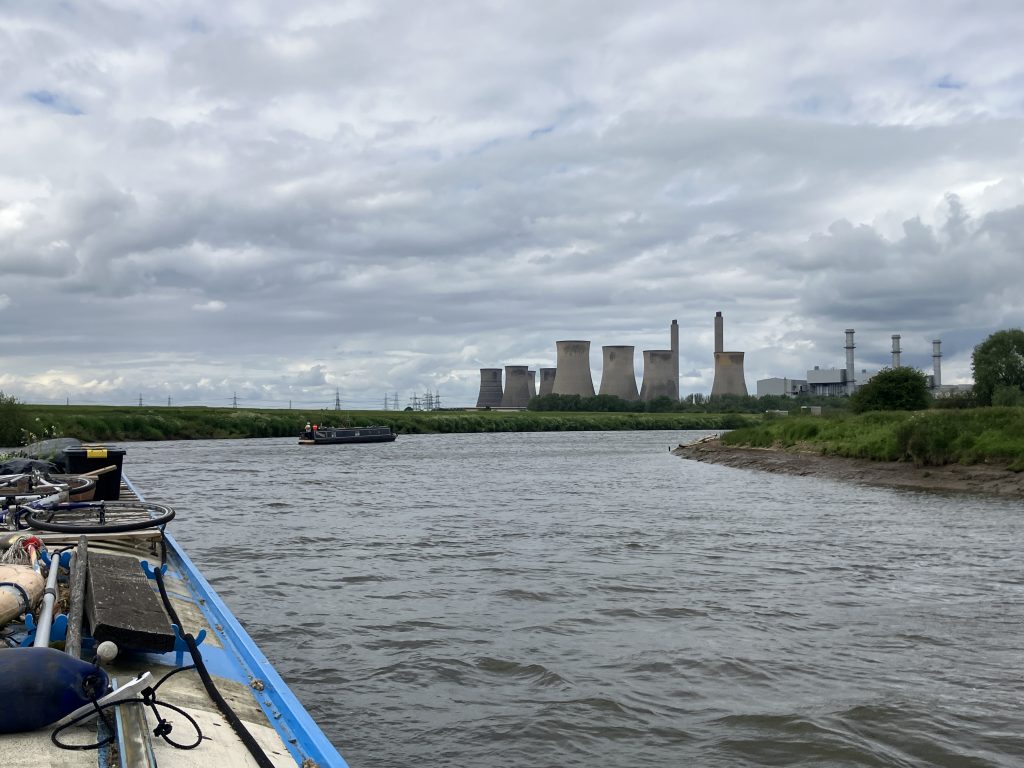
Fortunately, this stretch was much easier to navigate than the previous leg. There was only one place where you had to pay attention to find the passage between shallow patches either side. The rest was essentially stay in the middle and don’t cut corners on the inside.
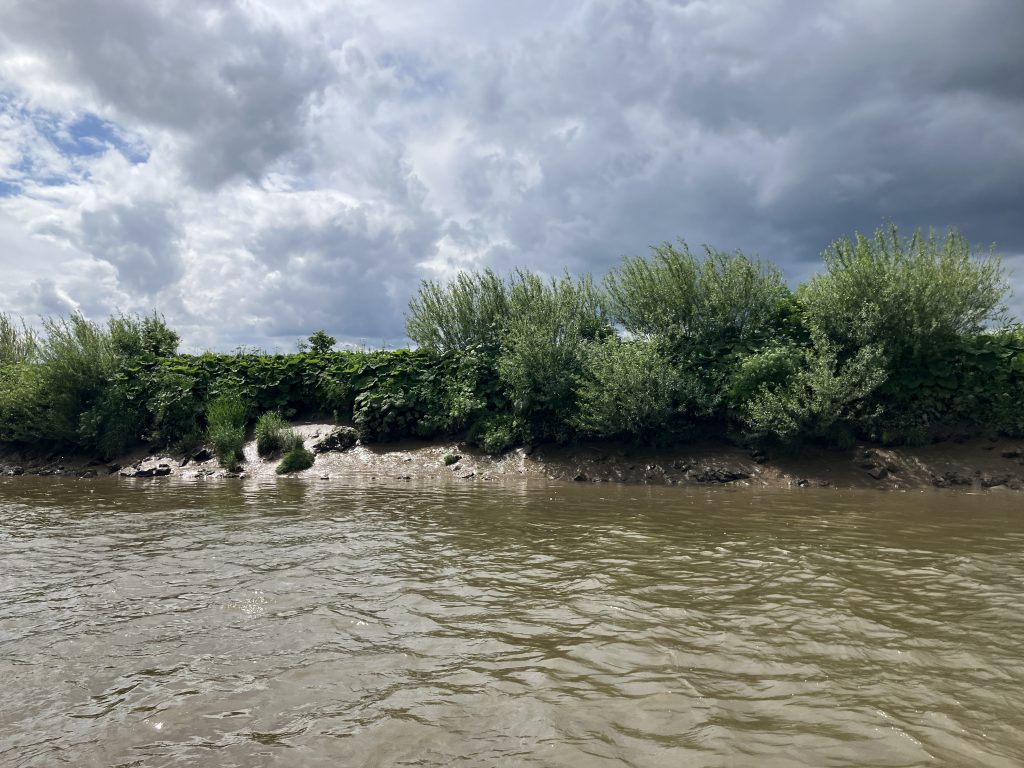
Here are a few more pictures of that journey:
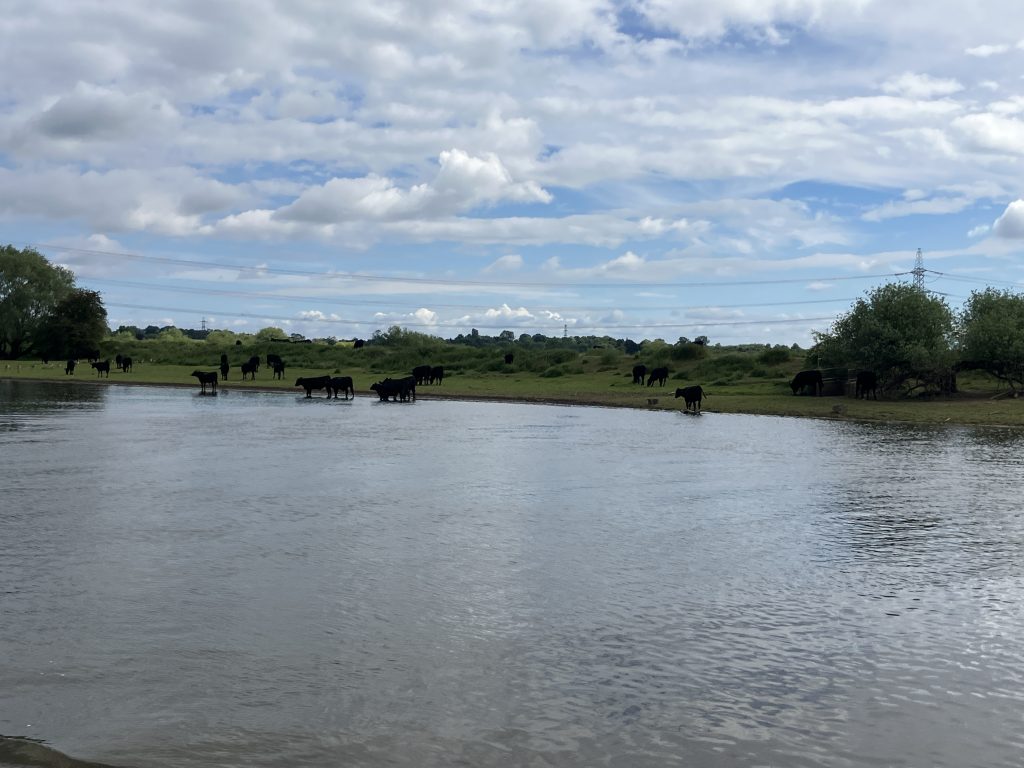
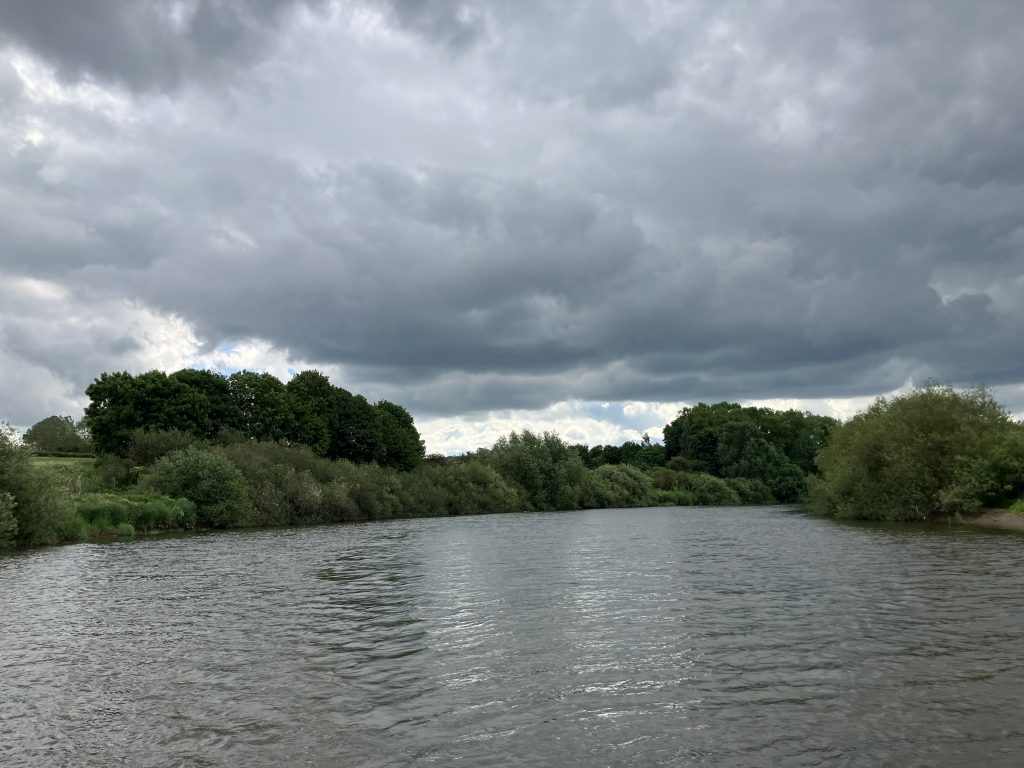
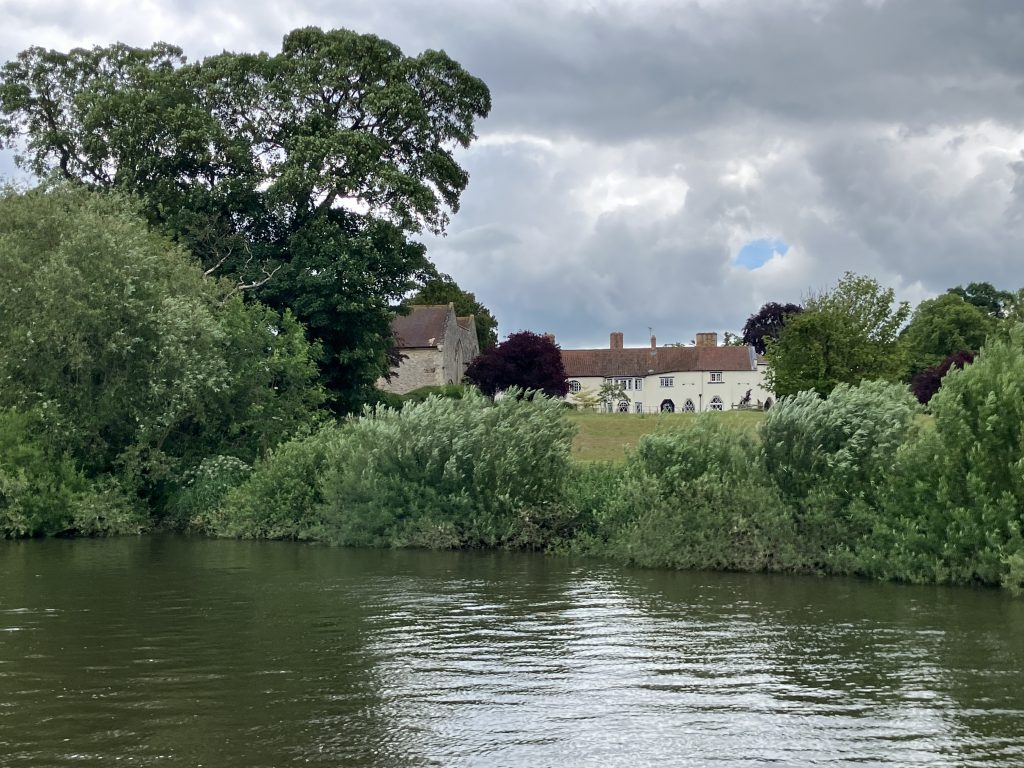
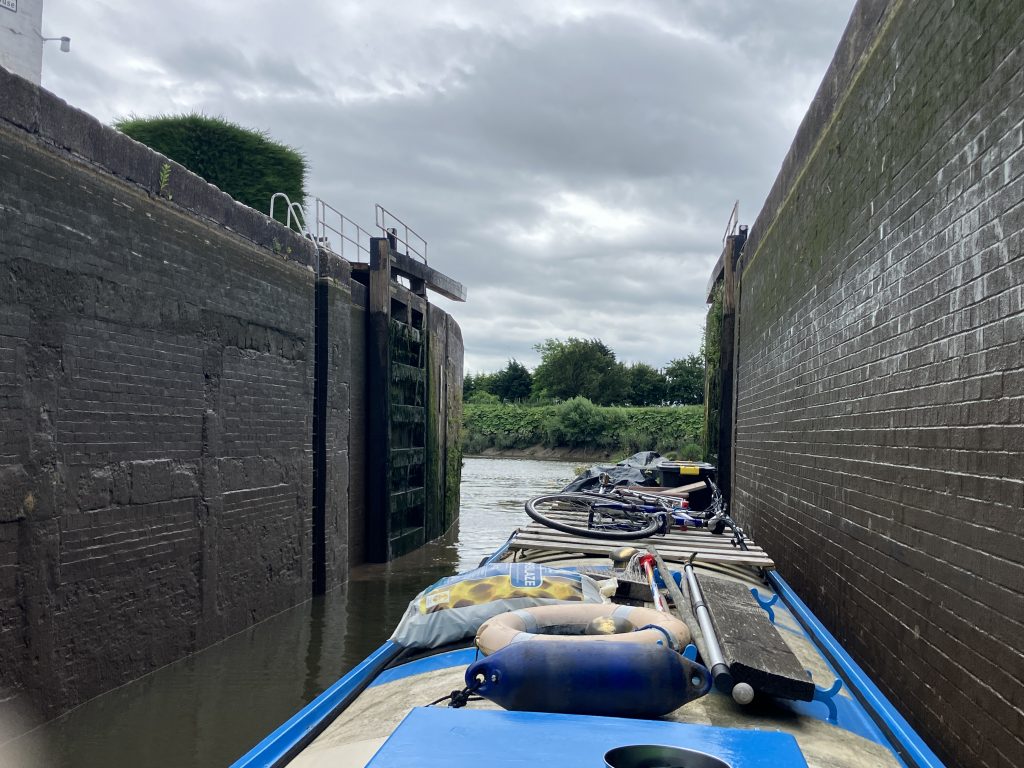
After about 3.5h West Stockwith lock came into view. I knew that the entry into the lock is tricky as the entrance is narrow and the tide sweeps across it. I had even watched videos how to do it. I was confident that I knew how to do it, but unsure if I could pull it off without hitting the wall (like many people do, whose videos I have also watched).
As I arrived, the lock keeper stood on the corner and shouted instructions over to me how to approach and when to make a swift and decisive turn into the lock before getting swept against the wall. I did my best, but alas! There was a little bang. I was disappointed, but the lock keeper said that it was not bad for a first attempt. I kept quiet about being an RYA instructor though!
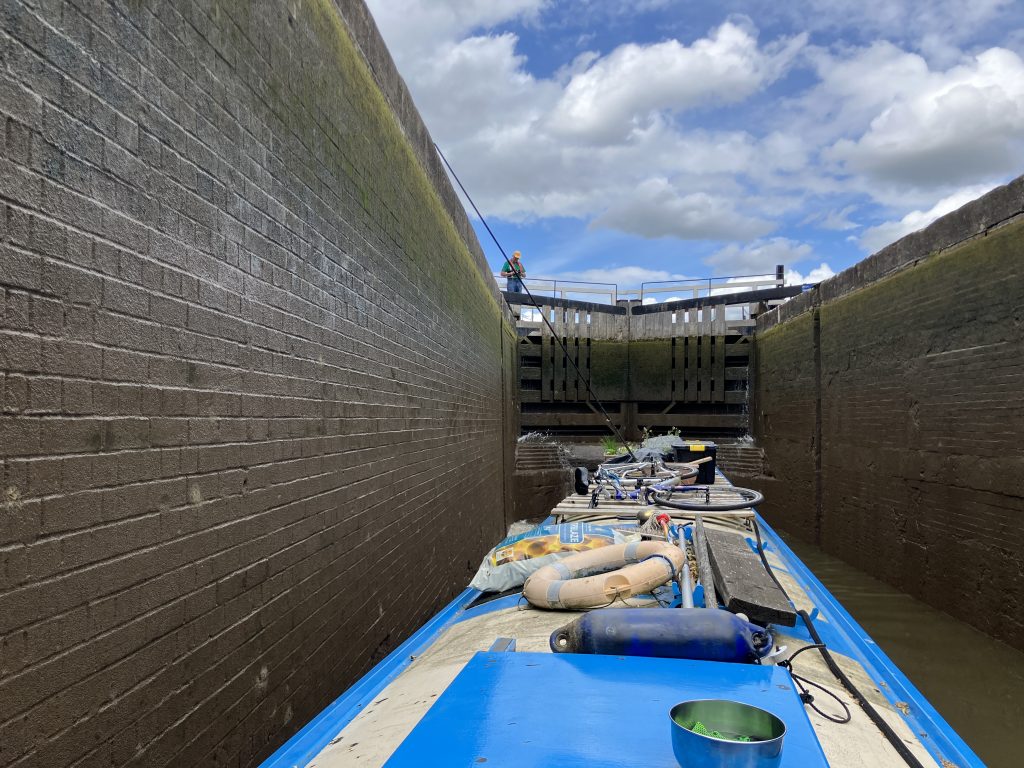
So this was the beginning of the Chesterfield canal. A proper canal, narrow and calm. And … relax.
Chesterfield canal history
As ever first let me tell you a bit about the canal itself. The Chesterfield canal was the last canal engineered by the great James Brindley (which canal hasn’t be built!), but he died before it was opened in 1777. Its purpose was to connect industrial and agricultural areas in Derbyshire and South Yorkshire to the river Trent to transport primarily coal, lead, and limestone and many agricultural products.
Originally it was 46 miles long, running from Chesterfield to West Stockwith, where it joins the Trent. In 1907 the Norwood tunnel collapsed, which cut off the western section from Norwood to Chesterfield from the network. Today 31 miles are navigable from the Trent lock at West Stockwith to the entrance of the collapsed tunnel and about 5 miles on the Chesterfield end. The ambition is to reopen the remaining derelict section in the middle as well, but this is still a long way off.
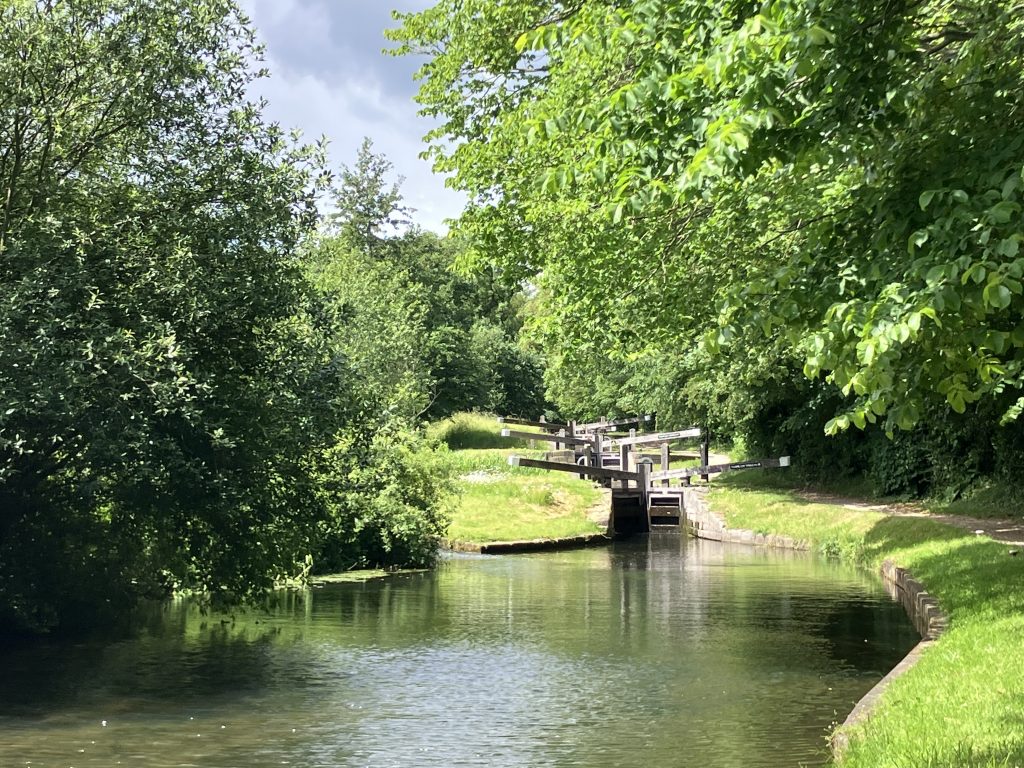
When the Norwood tunnel was opened in 1775 it was the longest in the country with 1.6 miles. The canal also features some of the most advanced staircase lock structures of the time in 23 locks over one mile leading up to the Norwood tunnel.
The Chesterfield canal is also called the Cuckoo Dyke (A dyke here is not a bank, but a canal!). The boats on the canal were called cuckoos and looked very different to other canal boats. The Chesterfield Canal Trust built a modern replica of a cuckoo boat, the Dawn Rose. The boat runs horse drawn trips in the Western detached section.

The canal carried its most famous cargo in 1834, when the limestone to rebuild the Palace of Westminster after a fire was quarried close to the canal and brought to London by boat.
Travelling on the Chesterfield canal
The Chesterfield is fairly remote as it can only be reached via the tidal Trent. It is not connected to any other canal, so it is always a there-and-back journey. This means that it is not visited by many boats and mainly frequented by boaters who have their homebase on the Chesterfield. This gives the canal a feel like a big family, like everybody knows everybody and a visiting boat is almost news. On my cruise up and down I did not meet a single boat coming the other way (which is a good thing as the canal is very narrow in places!).
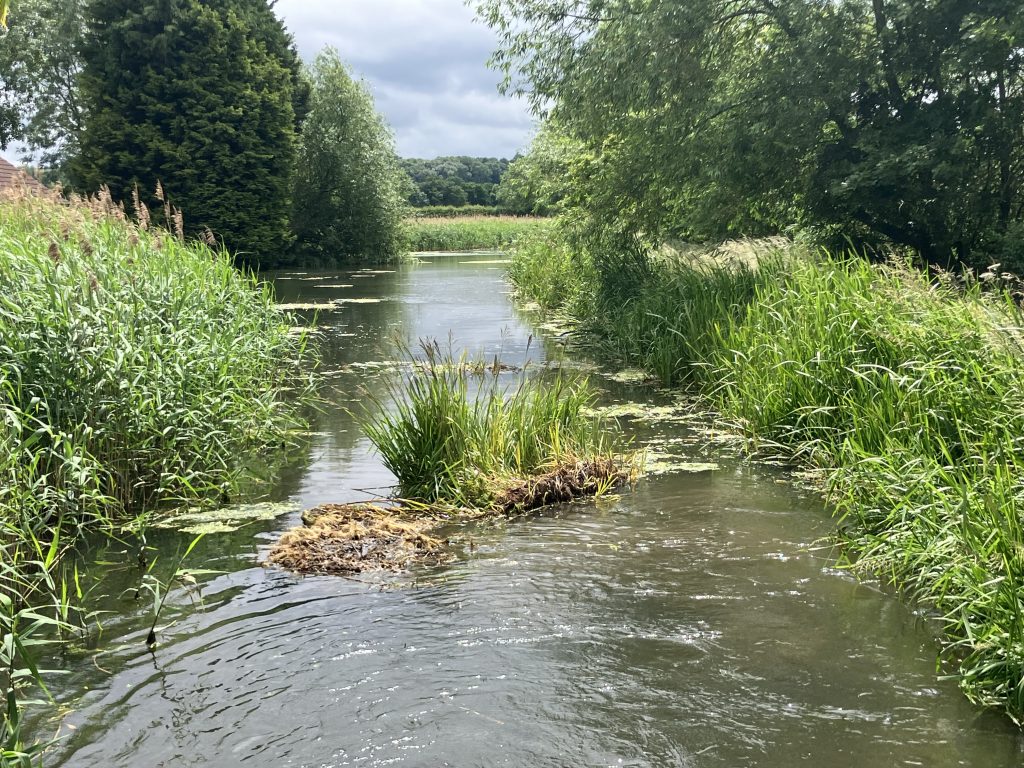
Sadly this leads to a lot of weed and I had to clear my propeller frequently. The canal is so beautiful though; it is really one of the most scenic canals in the country and it is a pity that not more visitors find their way there. It reminded me a bit of the Southern Oxford canal with its rural character and the way it meanders around the hills and of the Ashby canal with its lush vegetation along the banks.
The Chesterfield Canal Trust campaigns for the restoration of the derelict sections and looks after the open sections of the canal. It is entirely staffed by volunteers and financed by donations and runs historic workboat Python to take care of vegetation, litter and minor repairs.
The Eastern section that I was able to travel has a gentle incline with locks spaced out nicely, but on the last mile it has 23 locks leading up the now blocked tunnel. My plan was to go close to the bottom of those 23 locks, turn around and explore the top section by bike.
West Stockwith to Drakeholes
The weather was not great in my first week. I was watching the hourly forecast like a hawk and kept dodging showers every day. The first stop in Misterton turned out not to have any internet. At all. Despite that I staid there for two nights as it rained for a whole day. It made me realise how much I miss the internet (especially the weather forecast!).
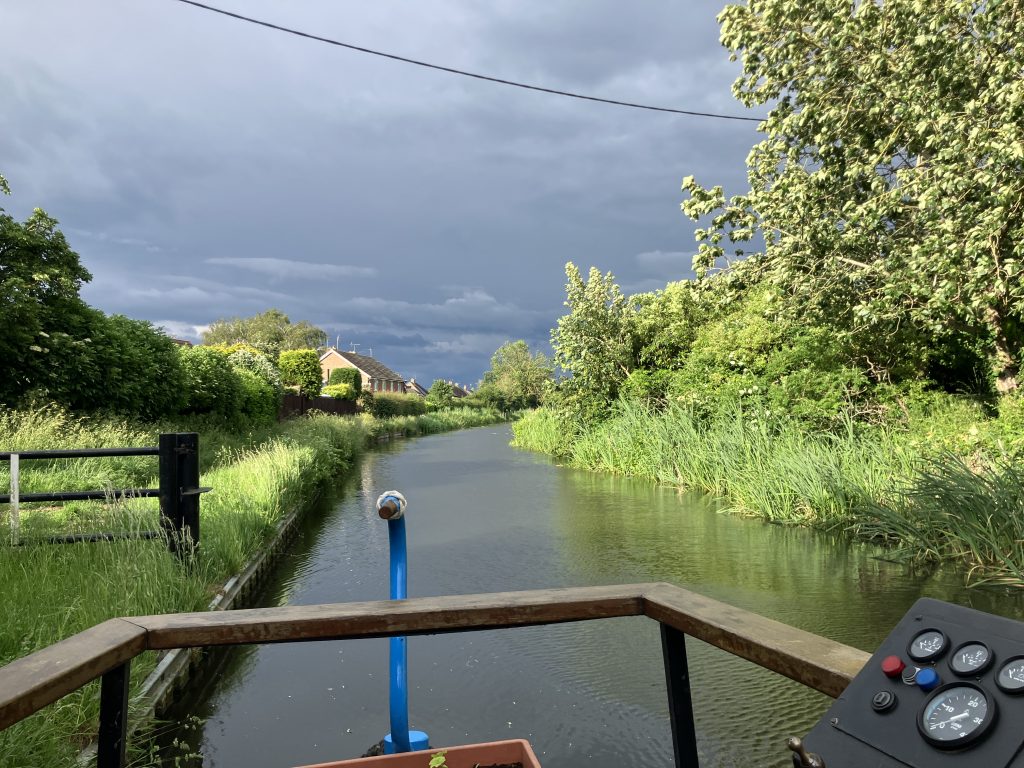
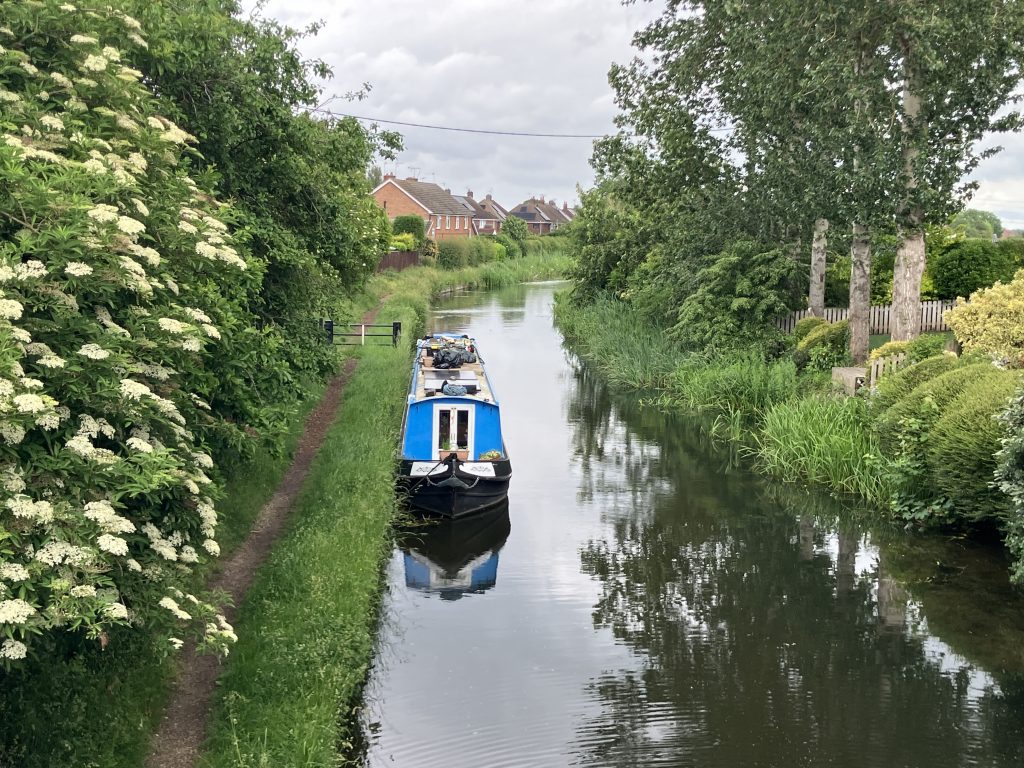
Beyond Misterton the canal is very picturesque and in some places very narrow.
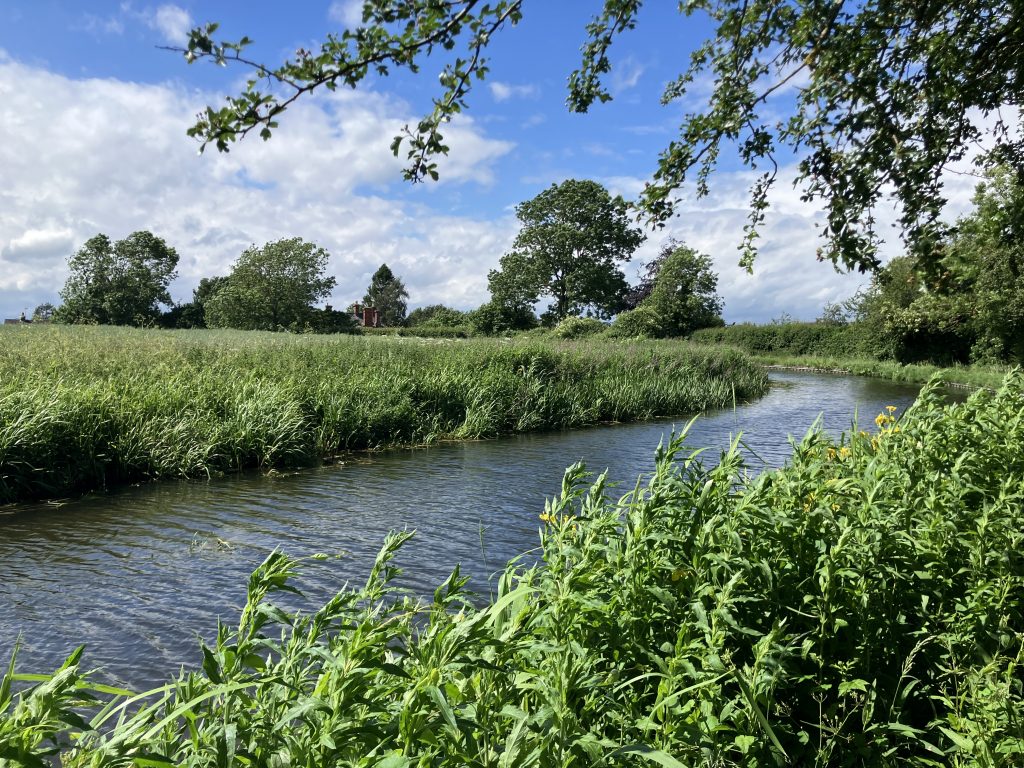
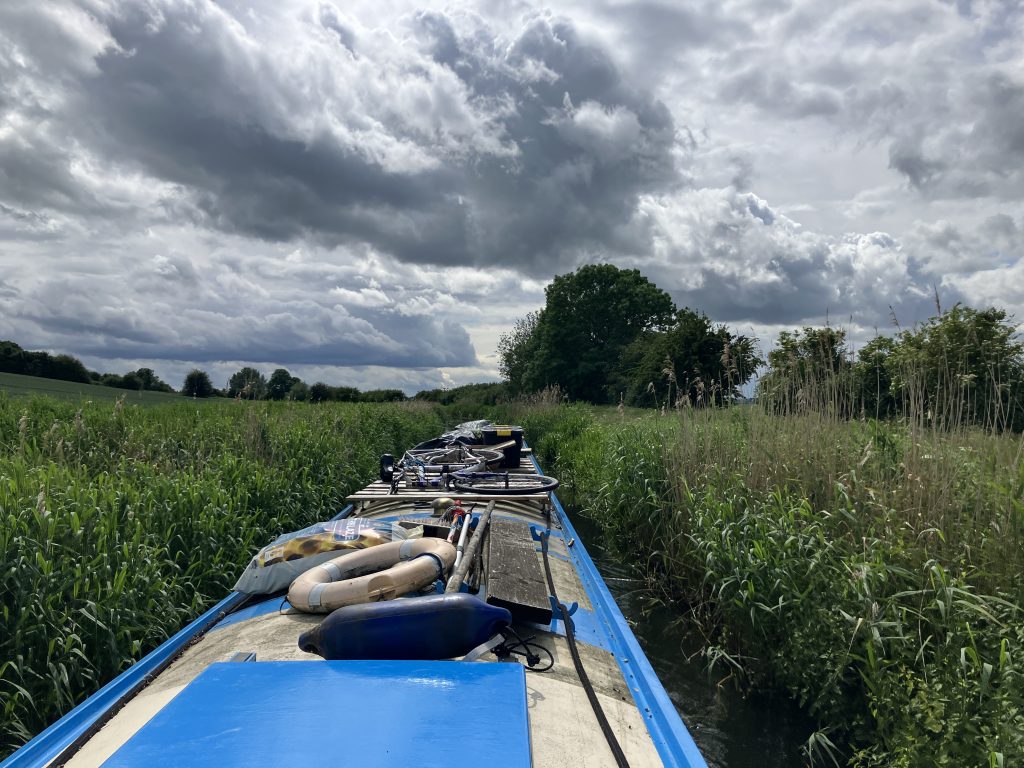
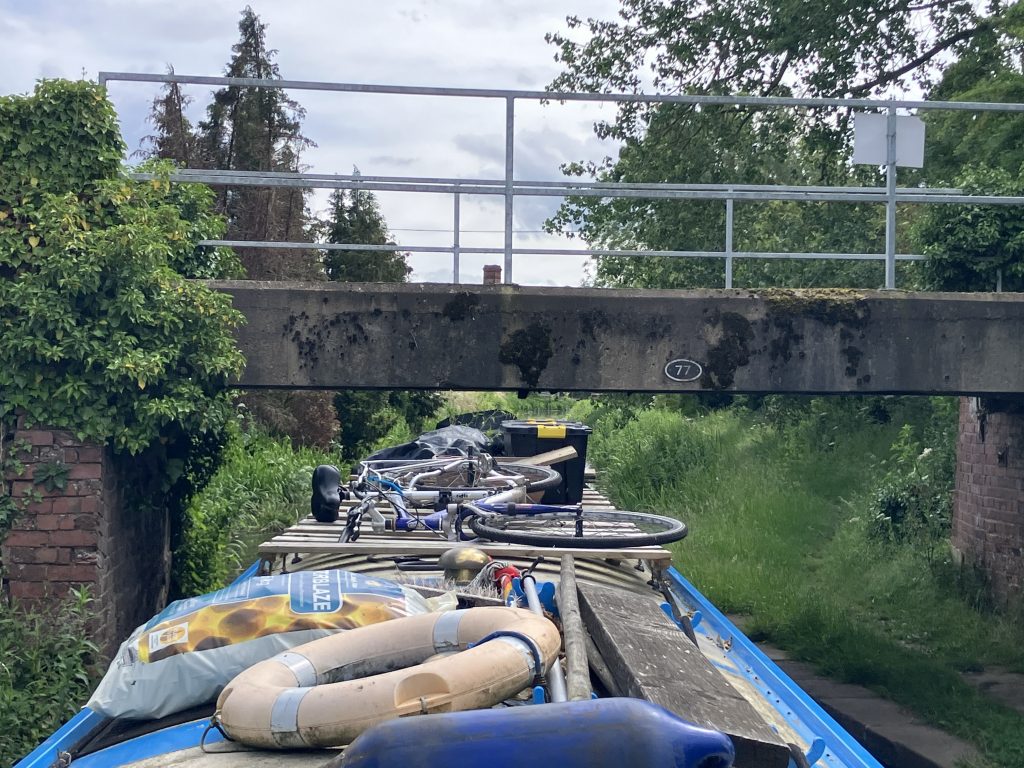
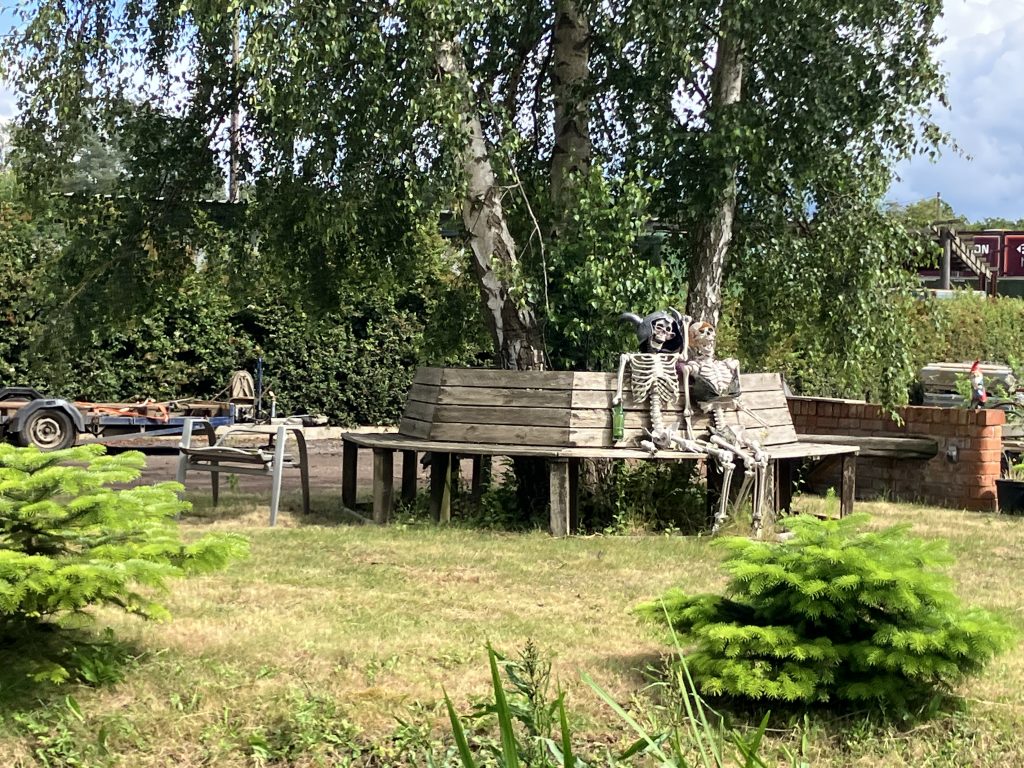
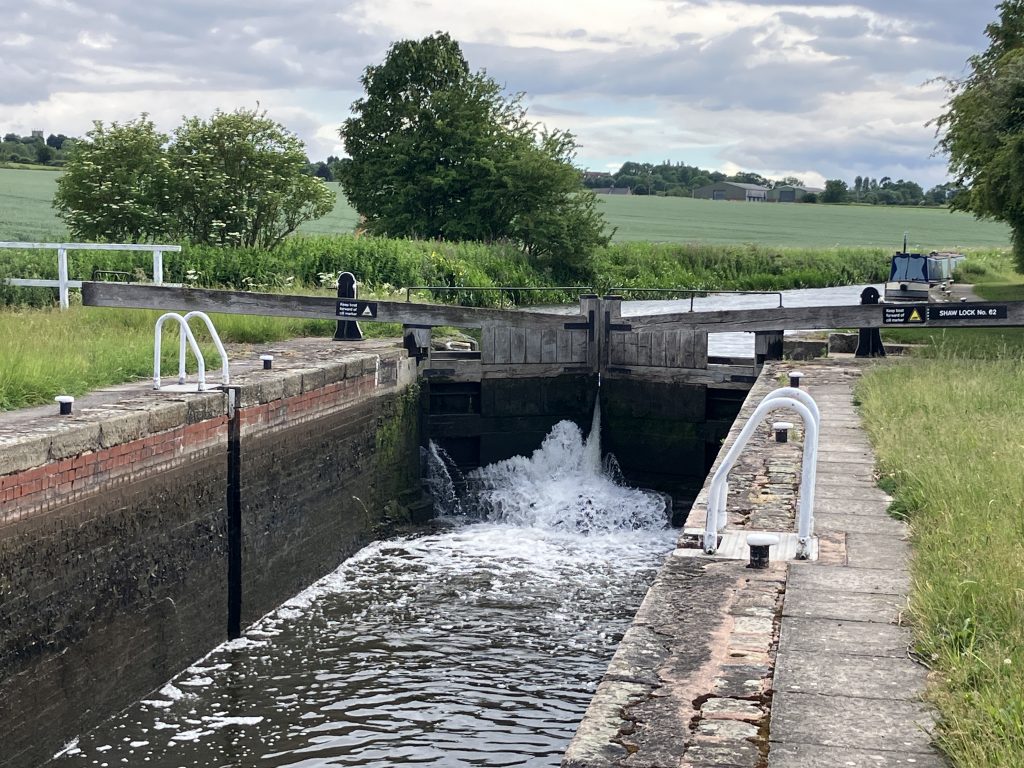
The locks are also in lovely settings. They are quite tedious to operate though as they are wide locks and have anti-vandal locks on every paddle. (Further up the locks become narrow)
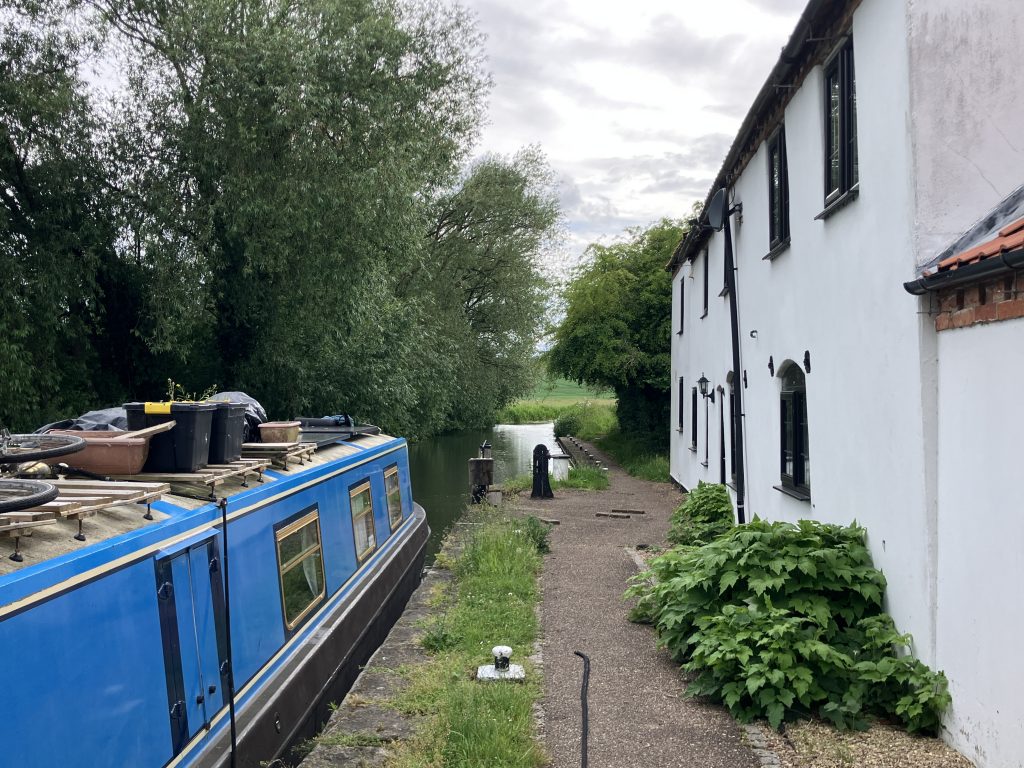
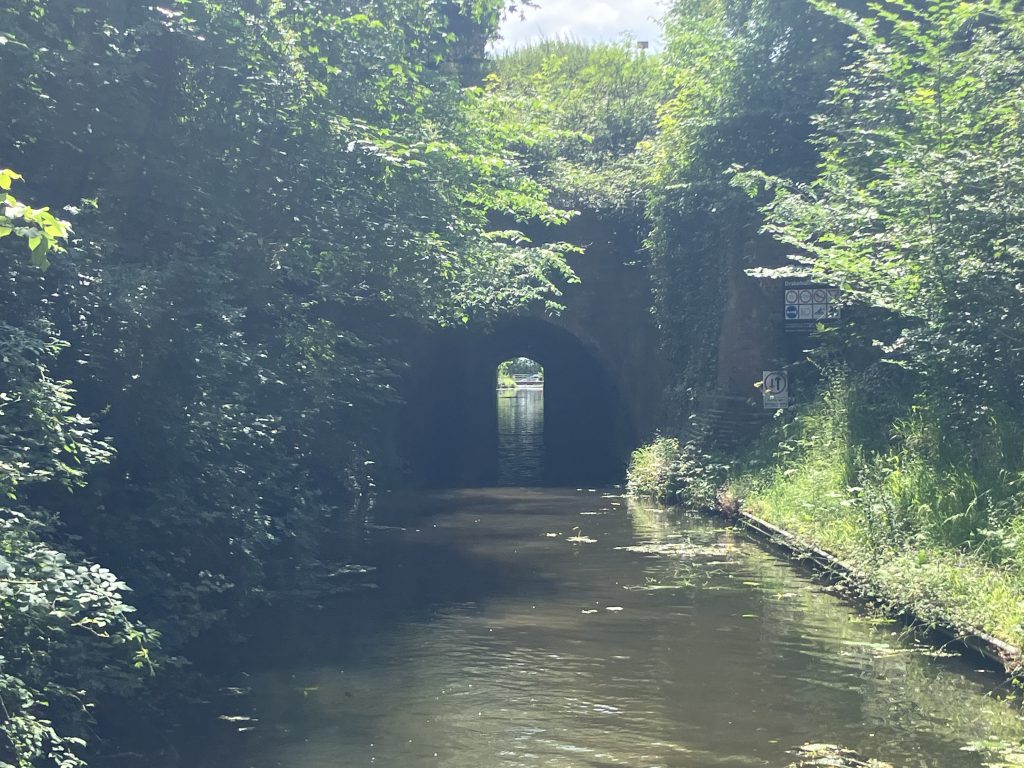
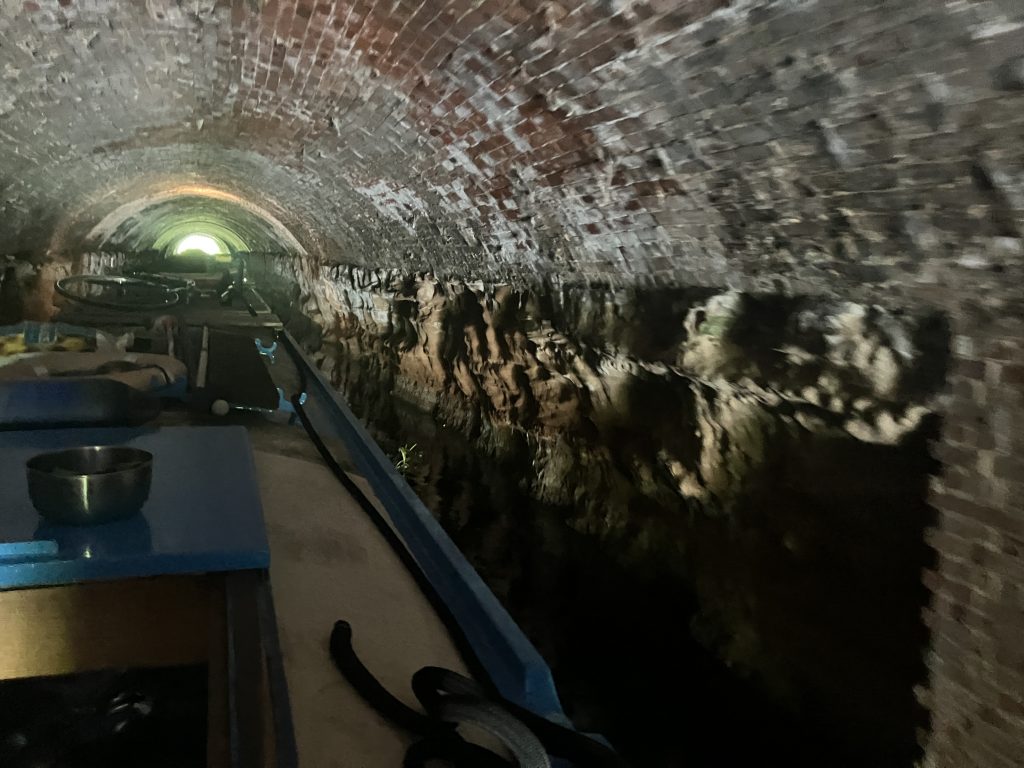
Not far from Misterton is a short tunnel (now where is my tunnel light? Haven’t used that in a year!) with a stunning approach in a cutting with huge overhanging trees.
Beyond the tunnel are lovely visitor moorings with a picnic area popular with the locals.
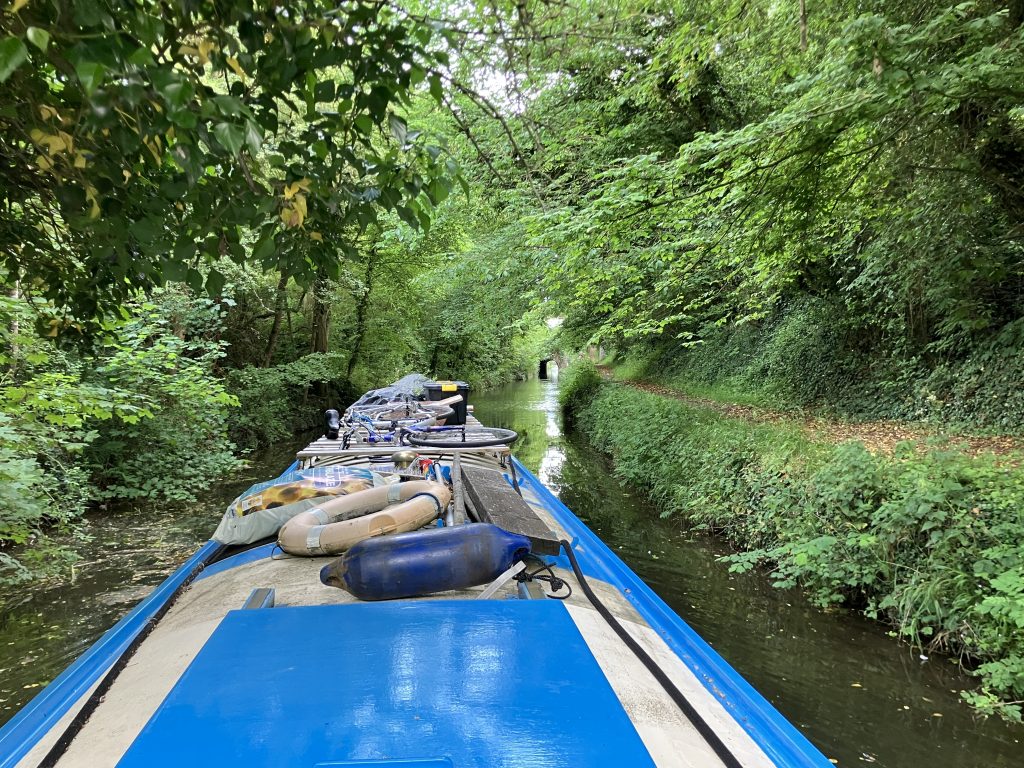
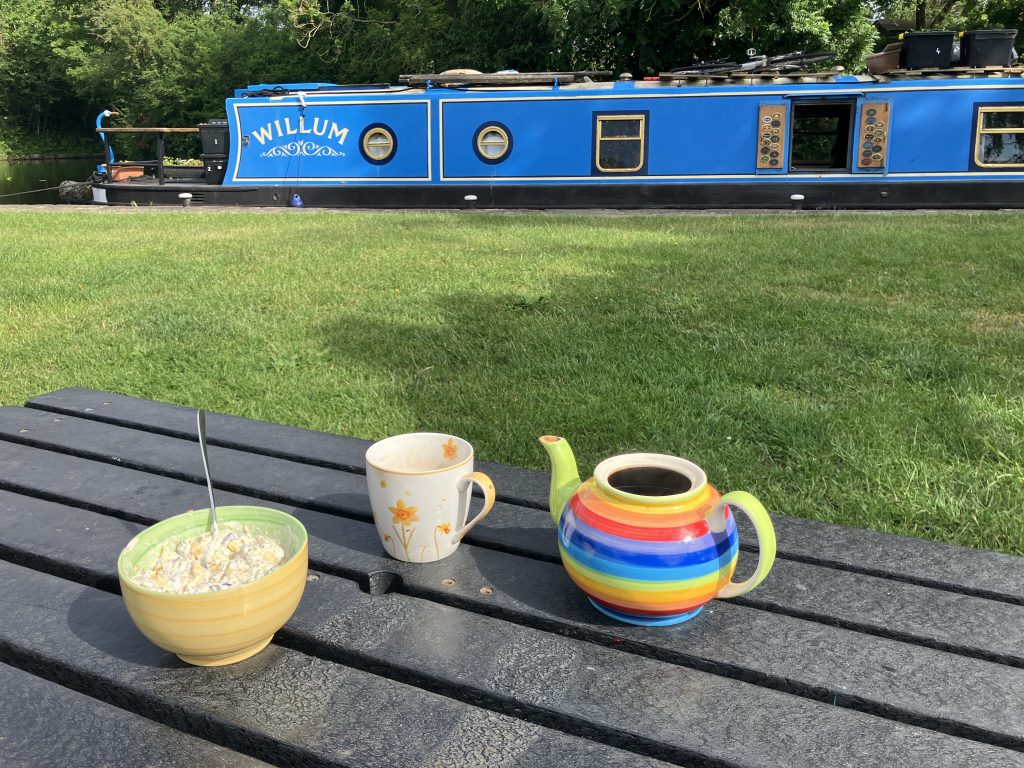
I went for a walk along the towpath in search of Wiseton Hall and Gardens promised on google maps. Wiseton Hall turned out to be a new build from the 20th century and the gardens were an inaccessible and impenetrable forest. But I had a lovely chat with a 90 year old man who had been a gardener there and talked about the olden days. The only sign of the grand Hall is the pretty Lady bridge locally known as the Old Man bridge.
Drakeholes to Clayworth
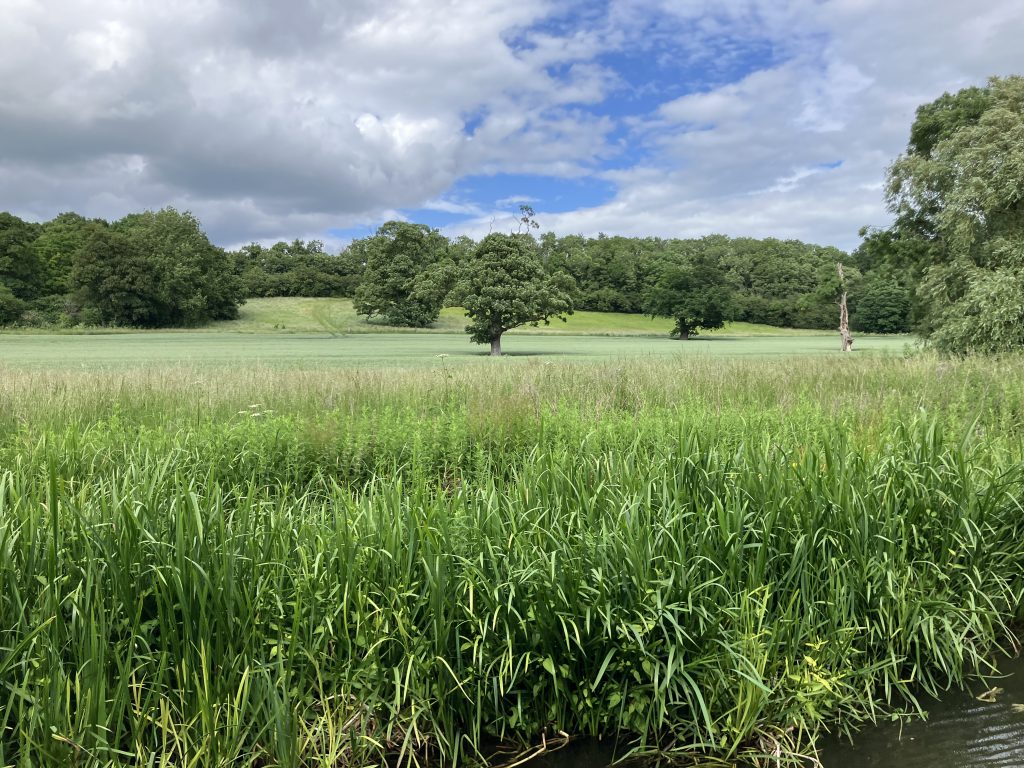
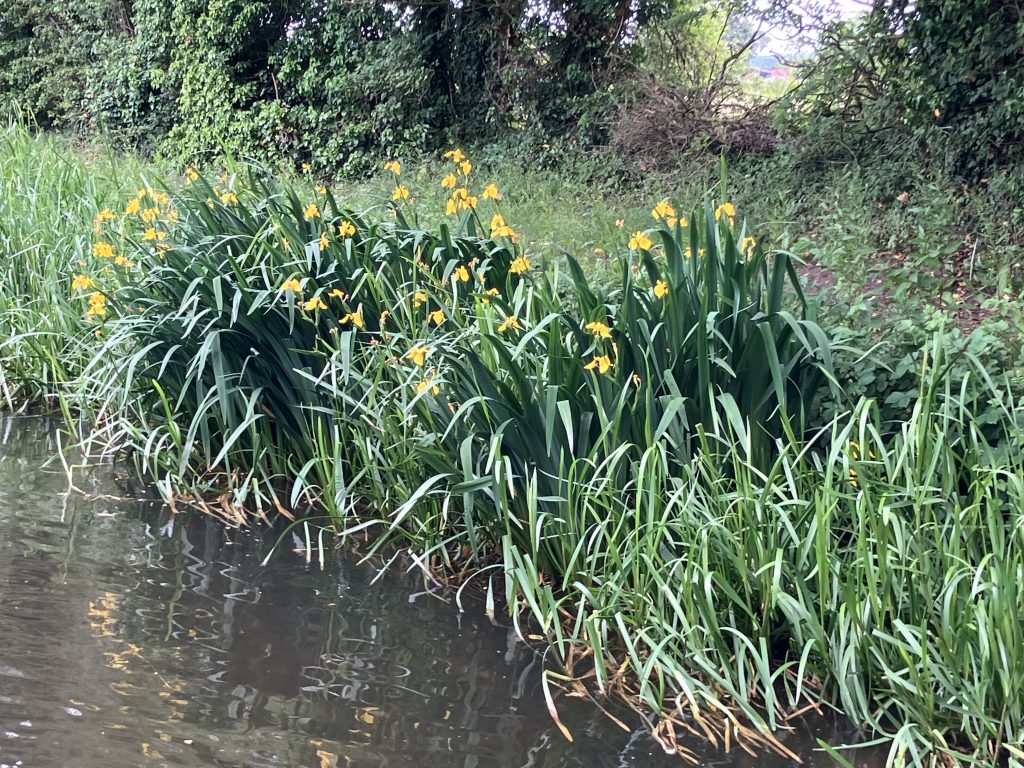
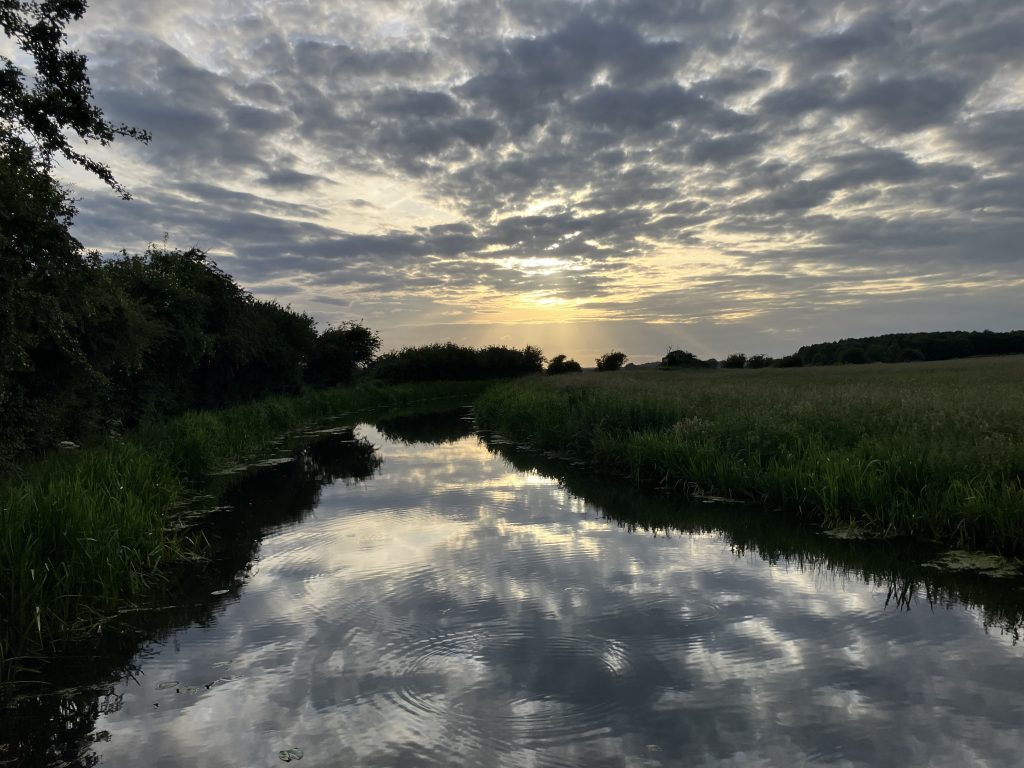
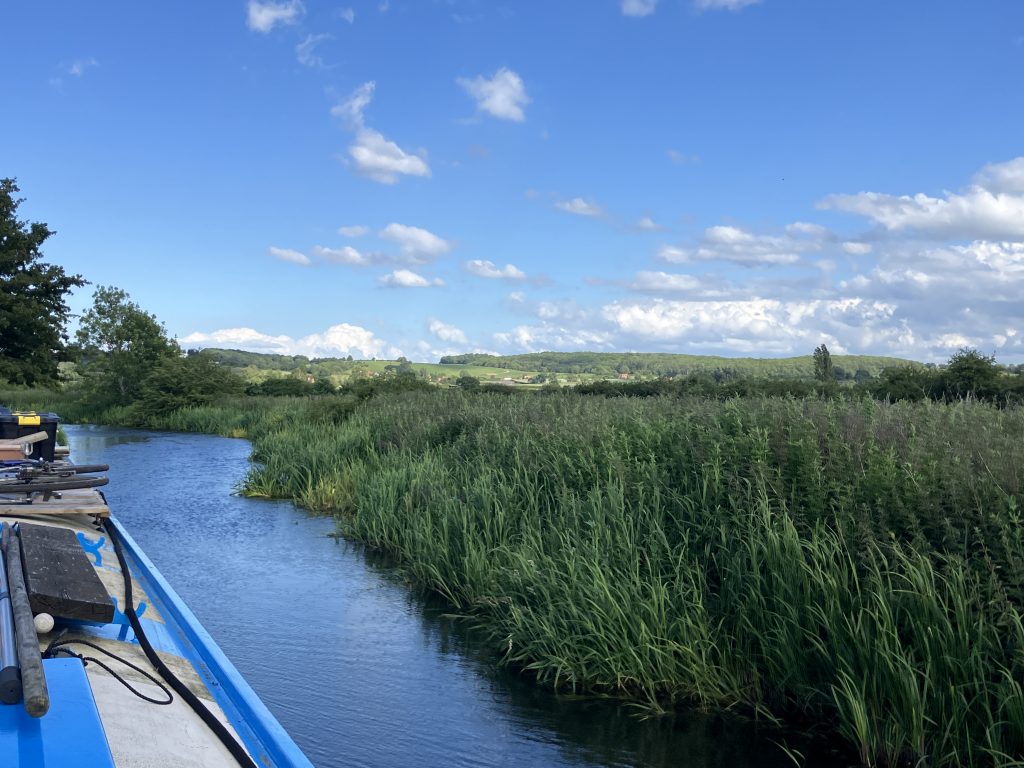
This is a very beautiful section of canal as it winds around the hills and varies from open vistas to beautifully wooded sections.
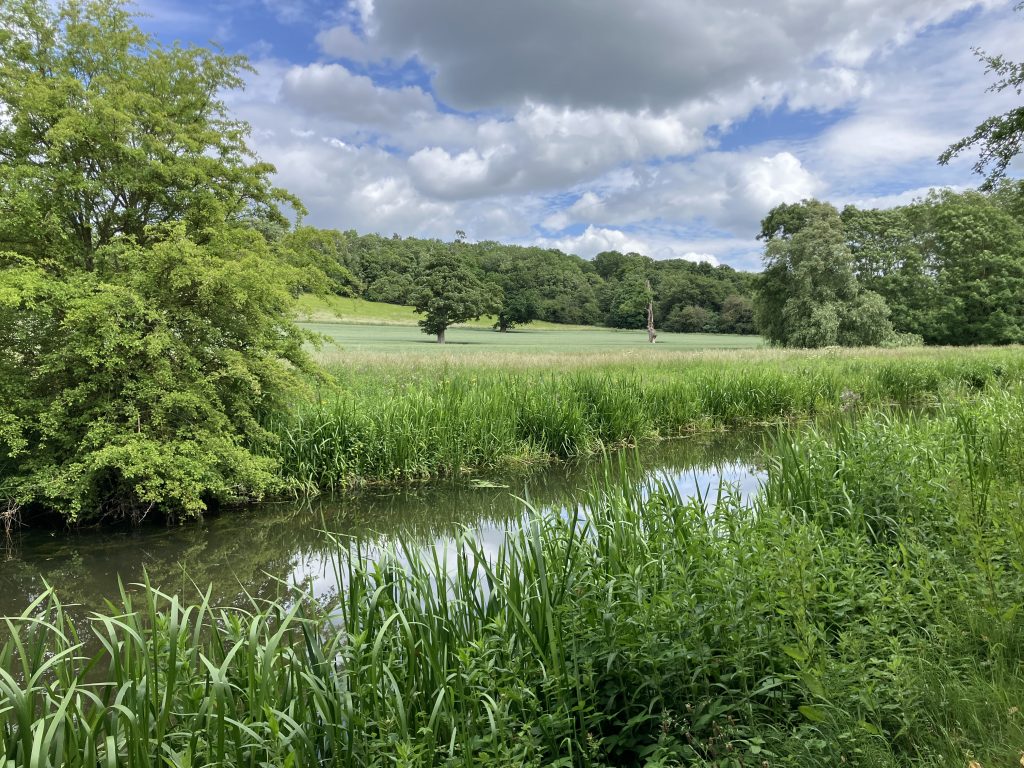
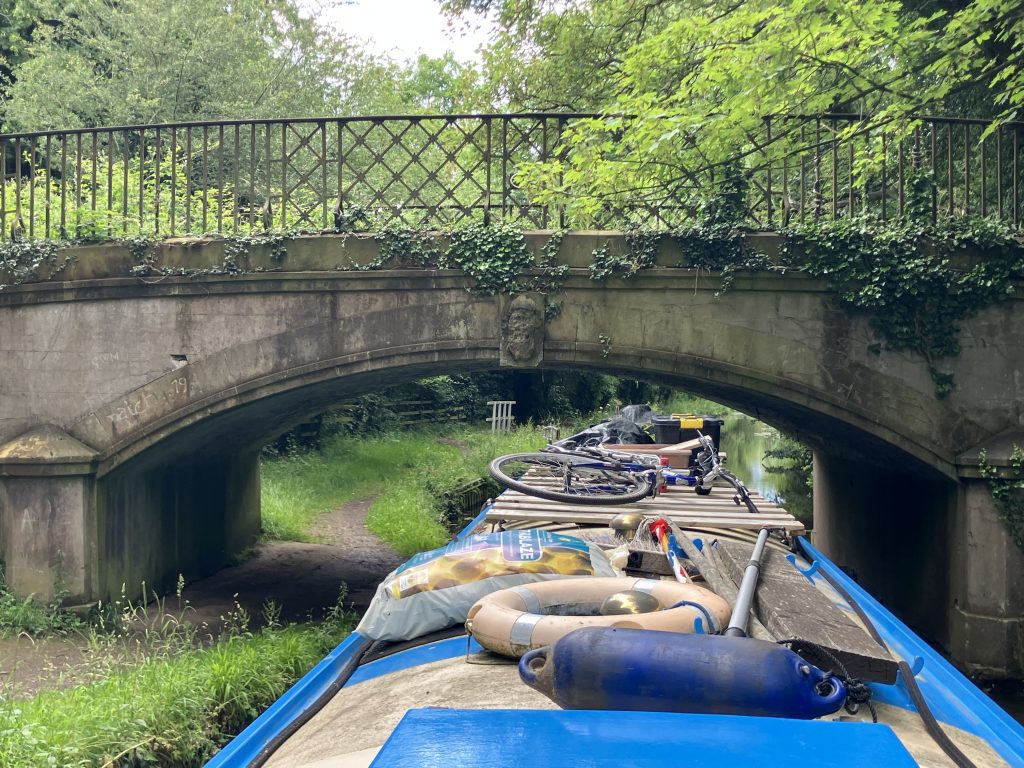
More loveliness on the way to Clayworth:
There is a fabulous nationwide boatwomen network through a facebook group, that makes it easy to connect with boatwomen all over the canals. I was warmly invited to an open evening at the Retford and Worksop Boat Club, where I met a number of the members and also got some good tips on moorings and places to visit.
Clayworth to Retford
Retford and Worksop are the only towns on the Eastern part of the Chesterfield. There is a long lock free stretch from shortly past Misterton all the way to Retford.
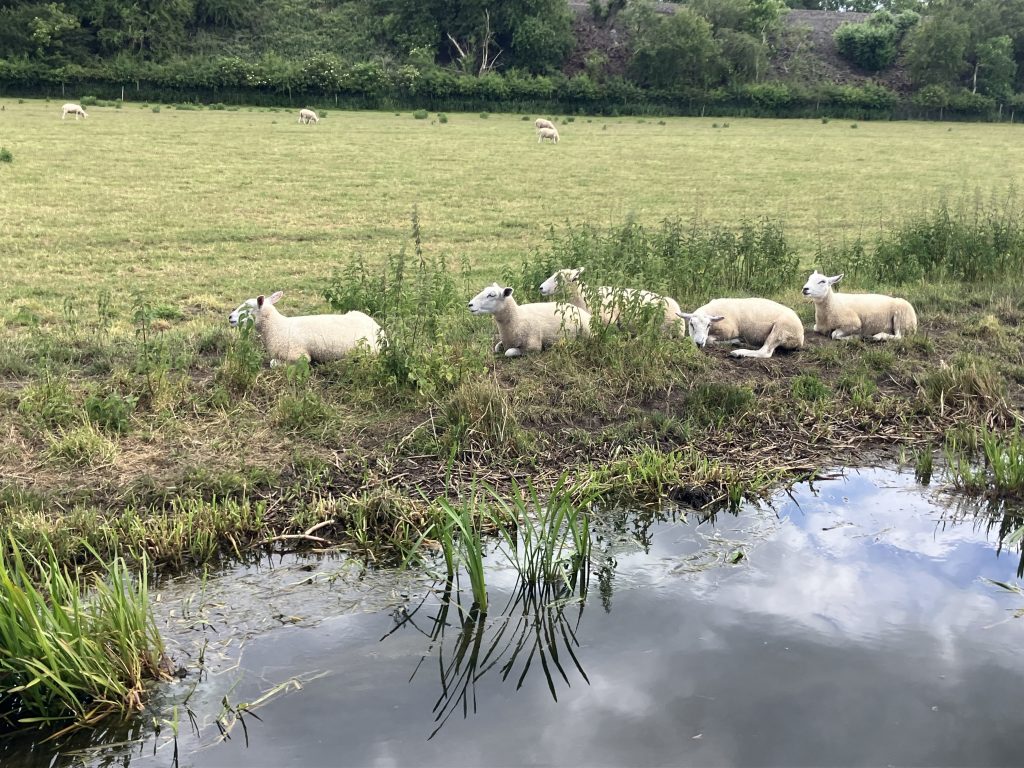
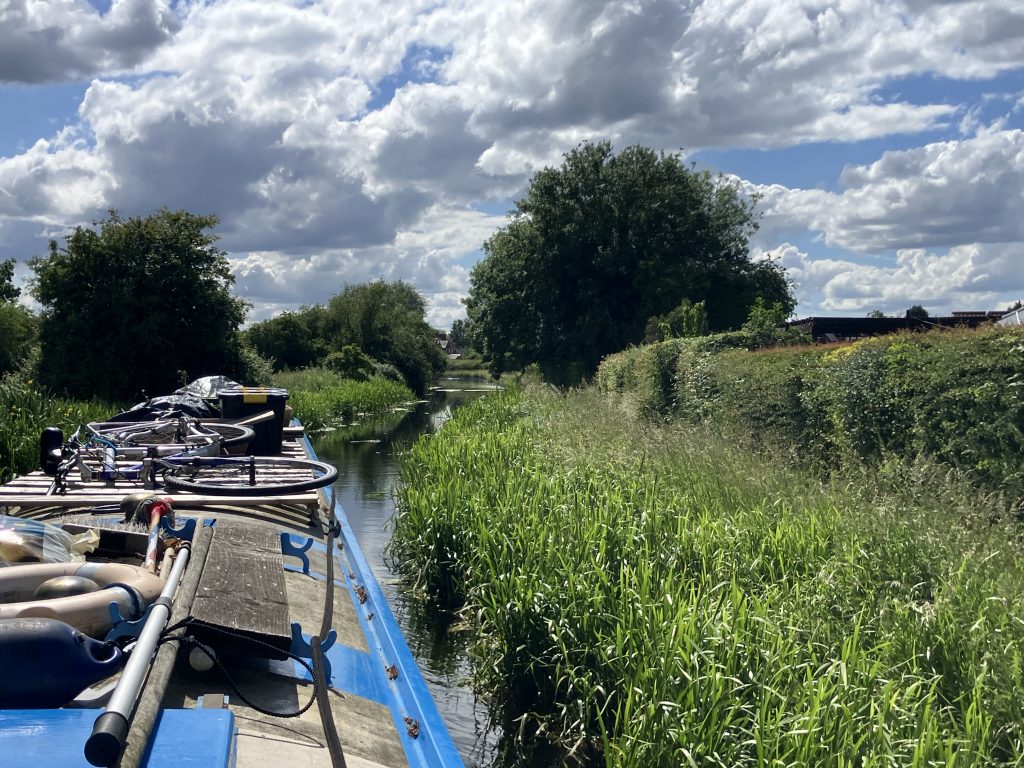
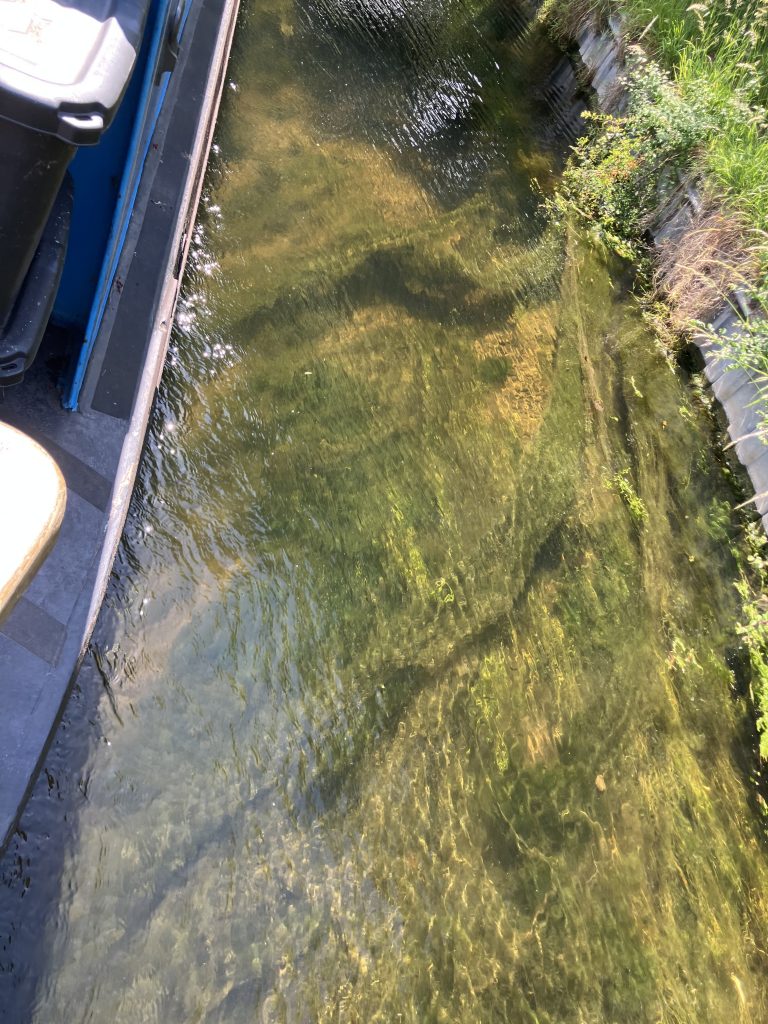
After Clayworth the trouble with the weed really started. Even trying to go really slowly I could hear from my engine noise that I was picking up more and more weed around the propeller. I slowed down more and more until I was crawling along and was easily overtaken by any walker just strolling by slowly. I had to clear the propeller every day and sometimes multiple times a day. It got so frustrating that I decided to turn around in Retford and go back.
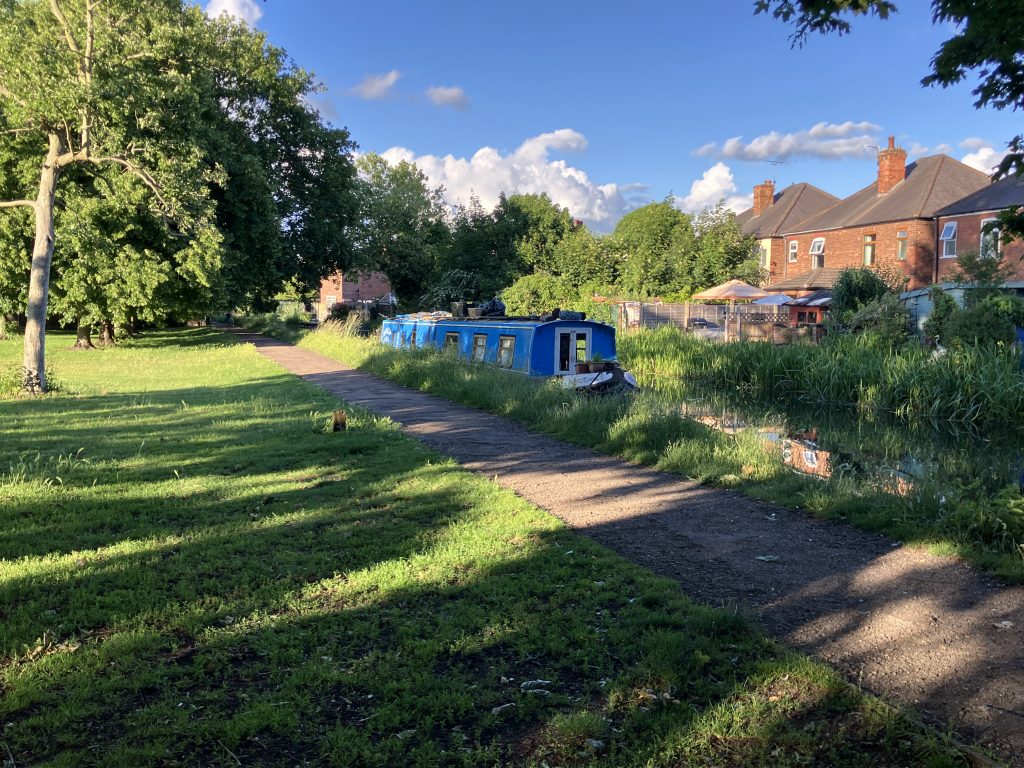
But Retford is a lovely town and I had a nice mooring on the common. So I staid there for a few days and went exploring, not least to the top end of the navigable section (see below).
While in Retford I also took advantage of the excellent train connections and went to Sheffield for a day visit. At least I can now say that I have been to Yorkshire on this trip! I visited the basin that is the end of the Sheffield & Tinsley canal, but was not overly impressed. A well, maybe a journey for another day.
Norwood tunnel down to Worksop (by bike)
To visit the top section of the canal I took my bike on the train from Retford up to Kiveton Park. The station is right by the canal and from there it is easy to cycle from Norwood tunnel down the steep section with the 23 locks in short succession. This is no doubt the most beautiful part of the canal. The weather was very mixed and I had to wait out a few heavy showers under the bridges!
The 23 locks would be a good day’s work, but a number of them are bundled in double or triple staircases. A staircase lock is where one lock leads directly into the next (the bottom gate of one lock is the top gate of the next lock down). They are faster to operate as there are fewer gates and paddles to open and close. The setting of these locks is stunning. It is more wooded than further down and there is almost no weed. The water is so clear that it is brilliantly blue reflecting the sky. I did not see any boats moving up there.
And the whole area smells heavily of wild garlic. In the spring there must be bluebells too. Here are some pictures of my bike ride from the Norwood tunnel entrance down to Worksop, from where I took the train back.
The top end by the tunnel:
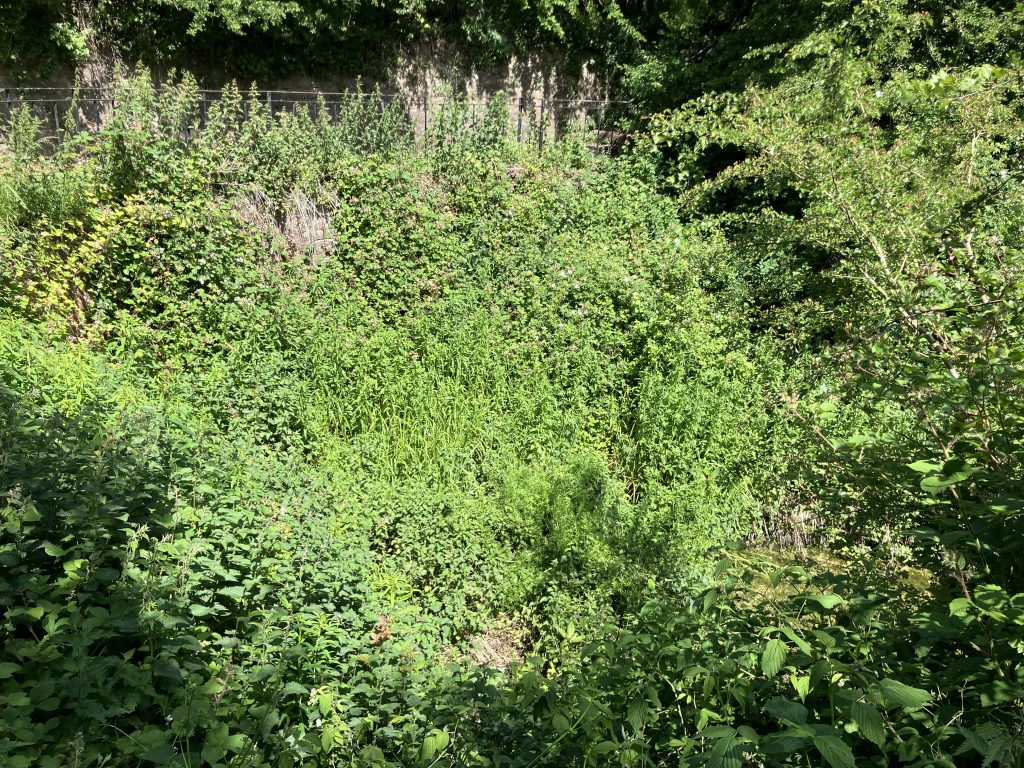
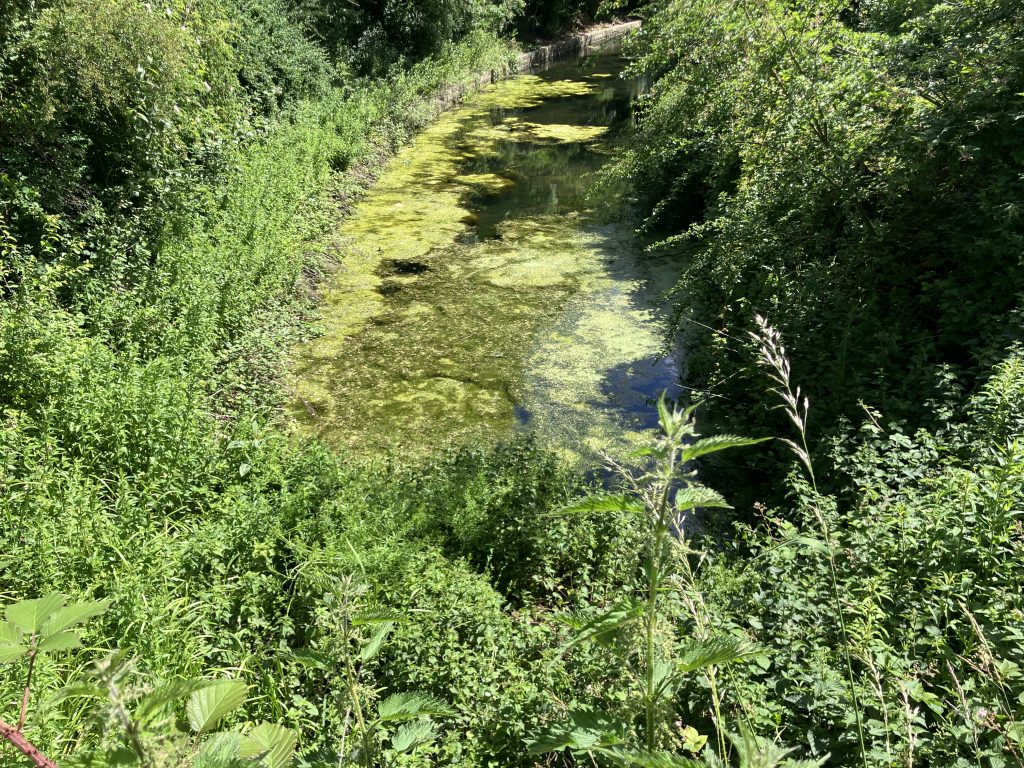
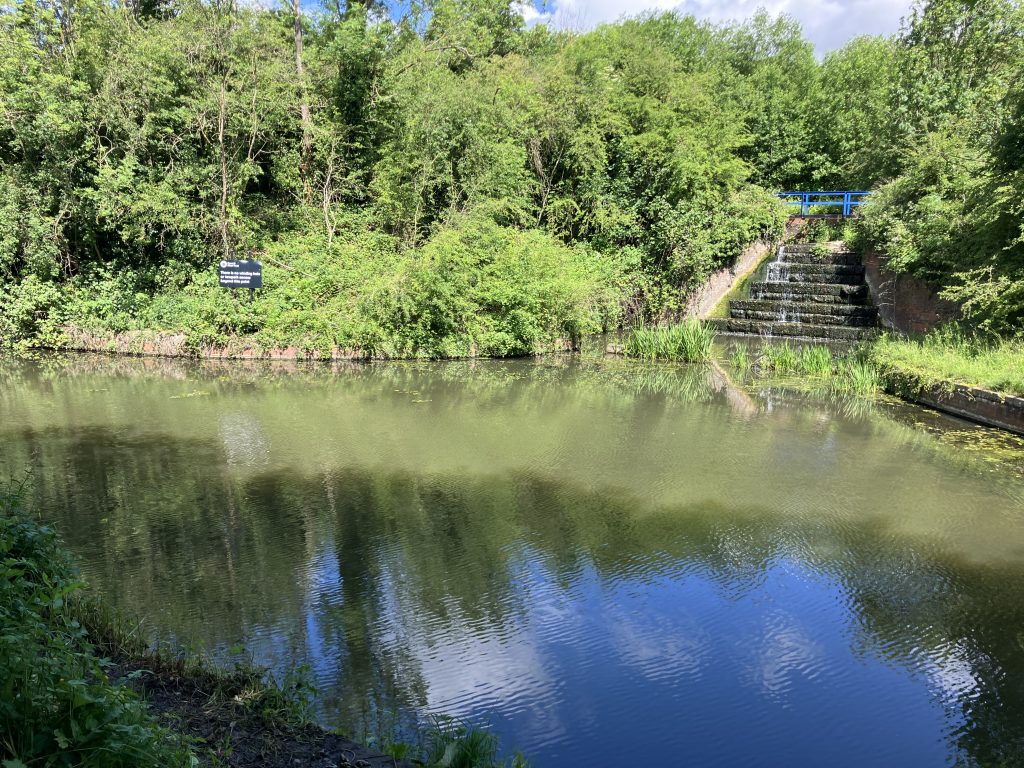
The locks, all in beautiful settings:
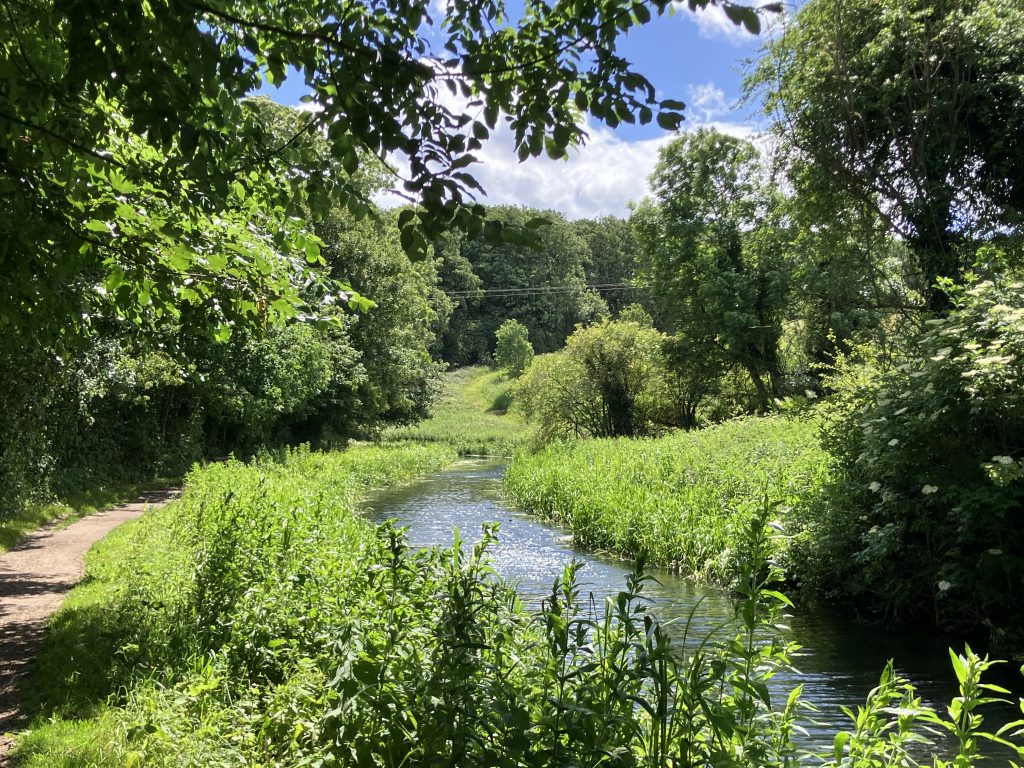
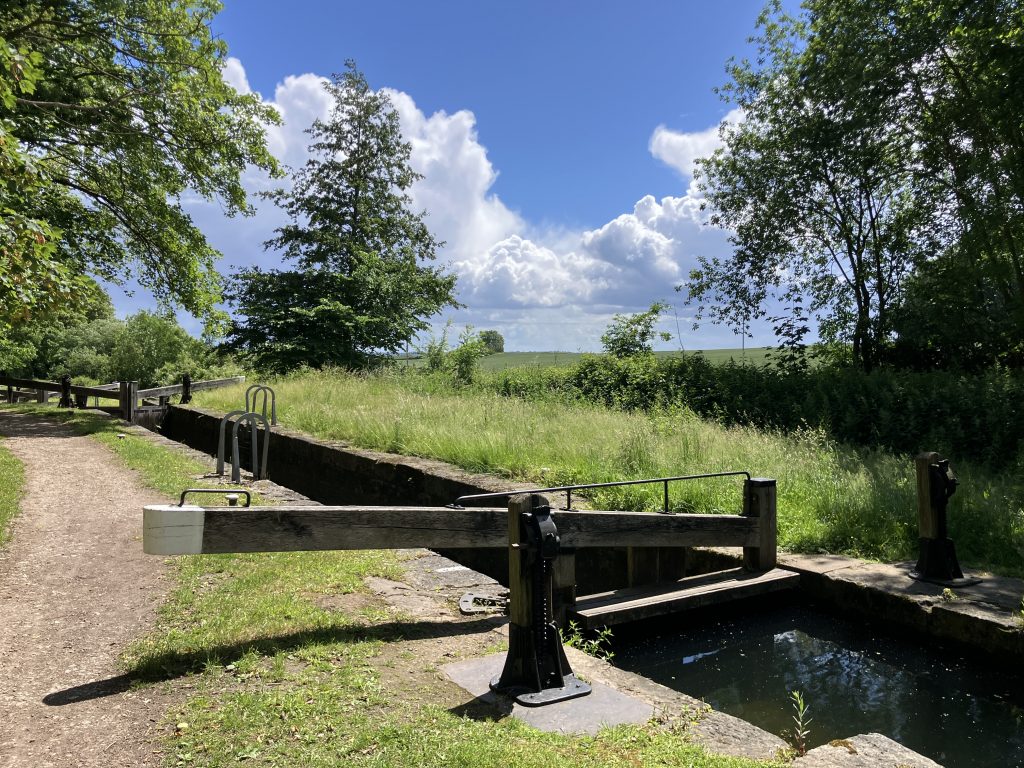
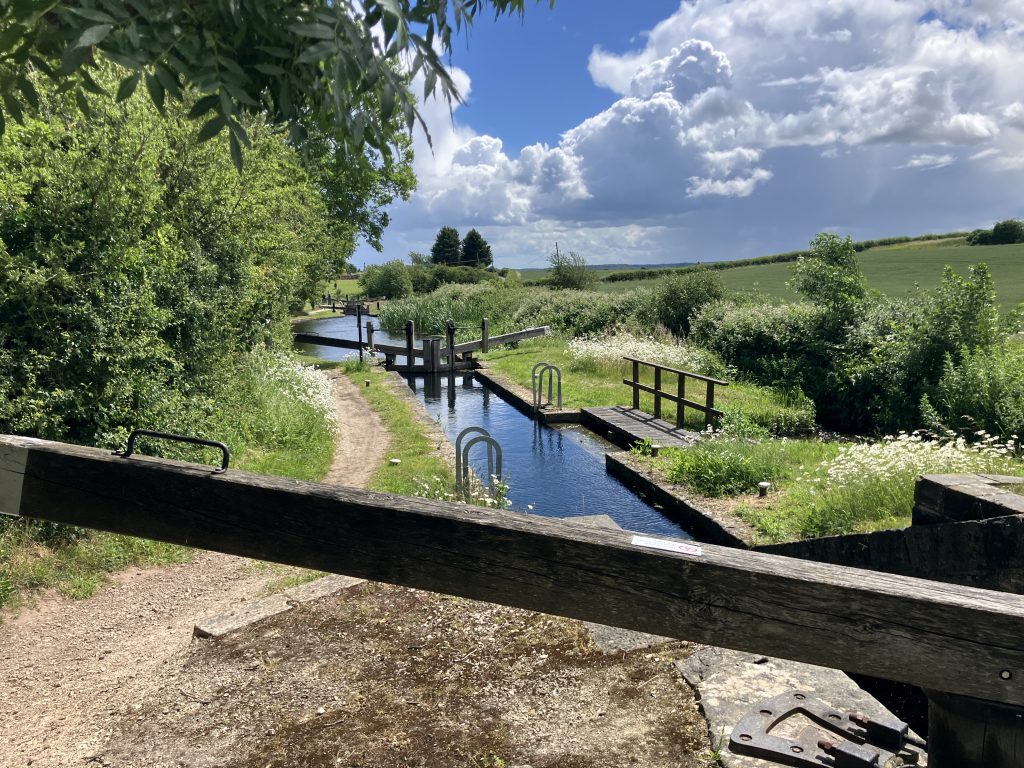
Some of the staircase locks:
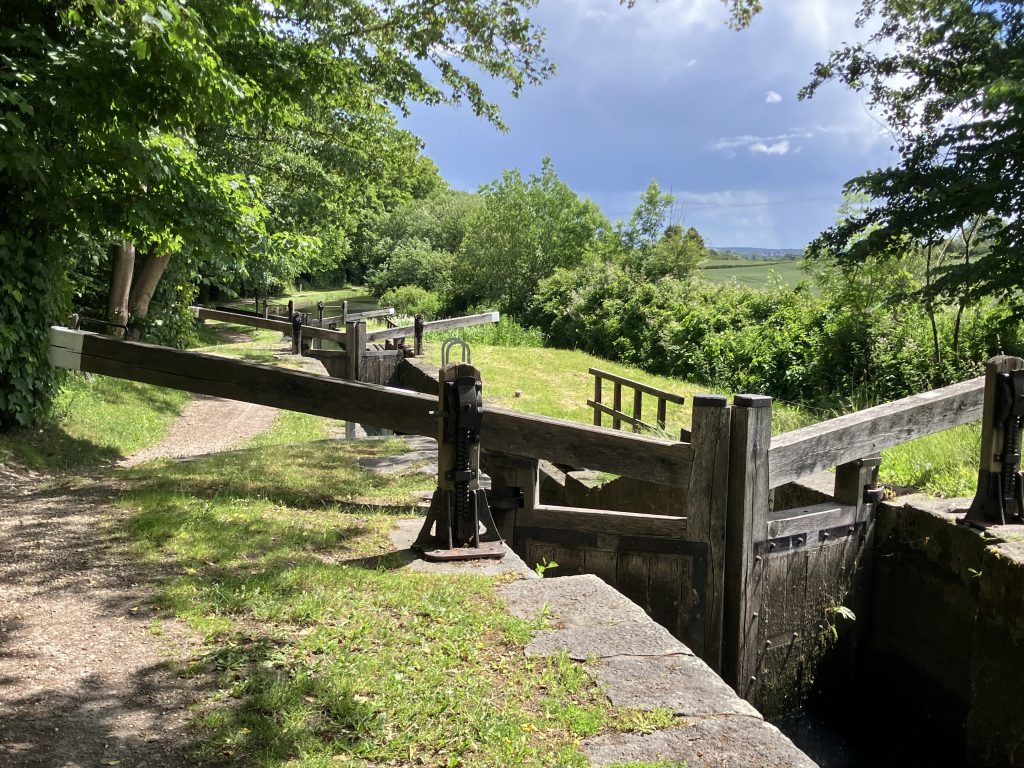
Turnerwood basin and some very blue water:
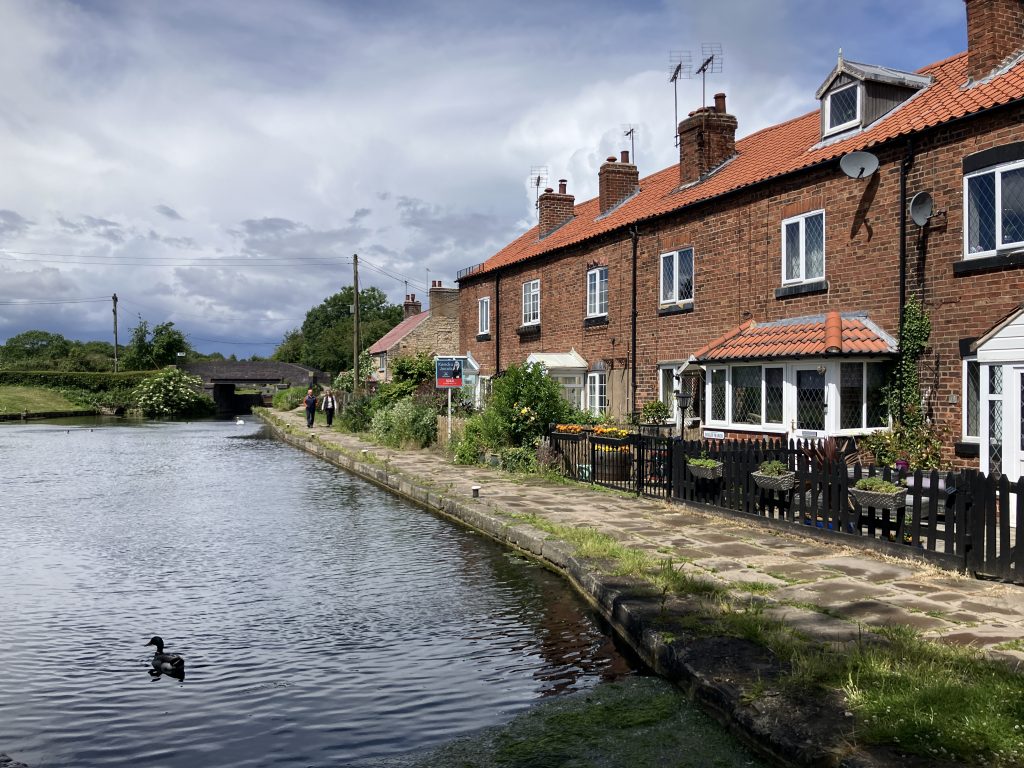
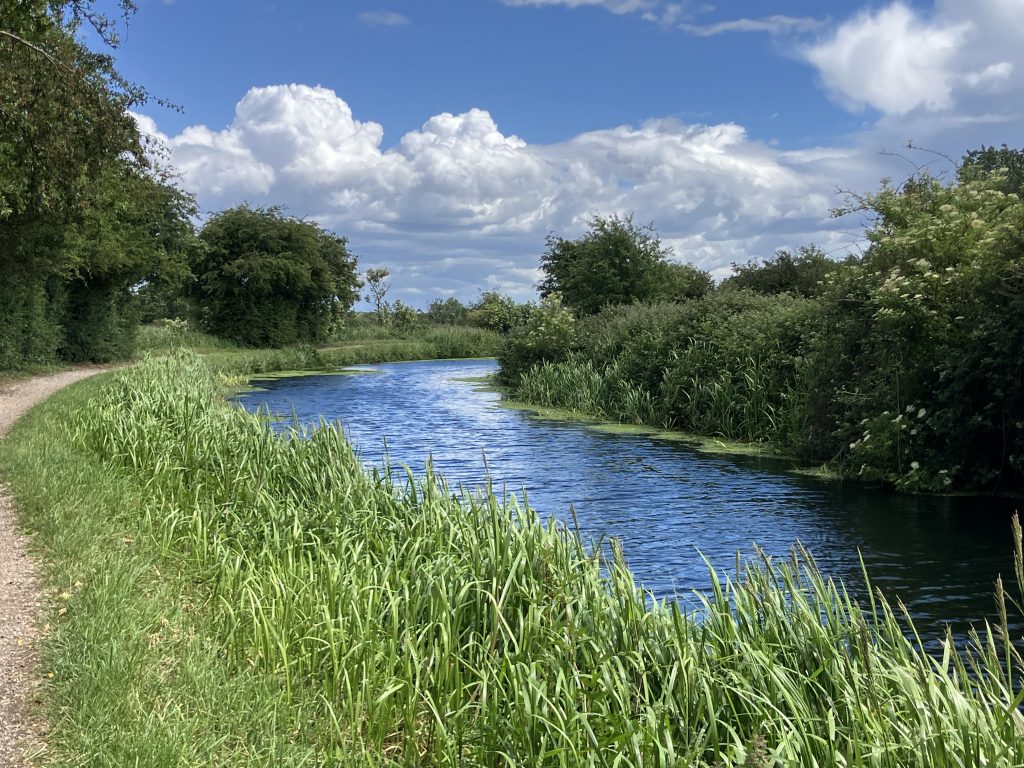
The way back to the Trent
As the weed had made for such painfully slow progress, I turned around in Retford and went back. When I tried turning around however I found that not all winding holes (wider sections, where boats can turn around) are made equal and the one I tried was about 1ft too short for my boat. I wedged myself between the walls and pulled, but no joy. In this way I got to experience two more locks in Retford before I could finally turn around.
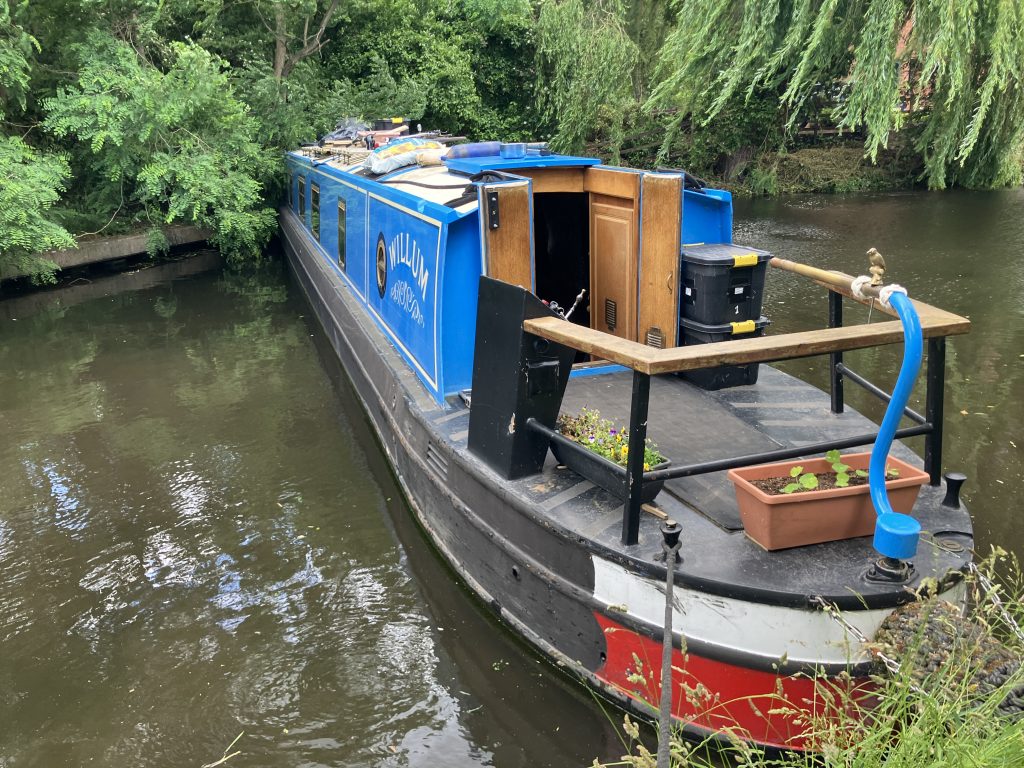
This turn also marked the beginning of my way home. From here on there is no more there-and-back, it will be forward only back to London.
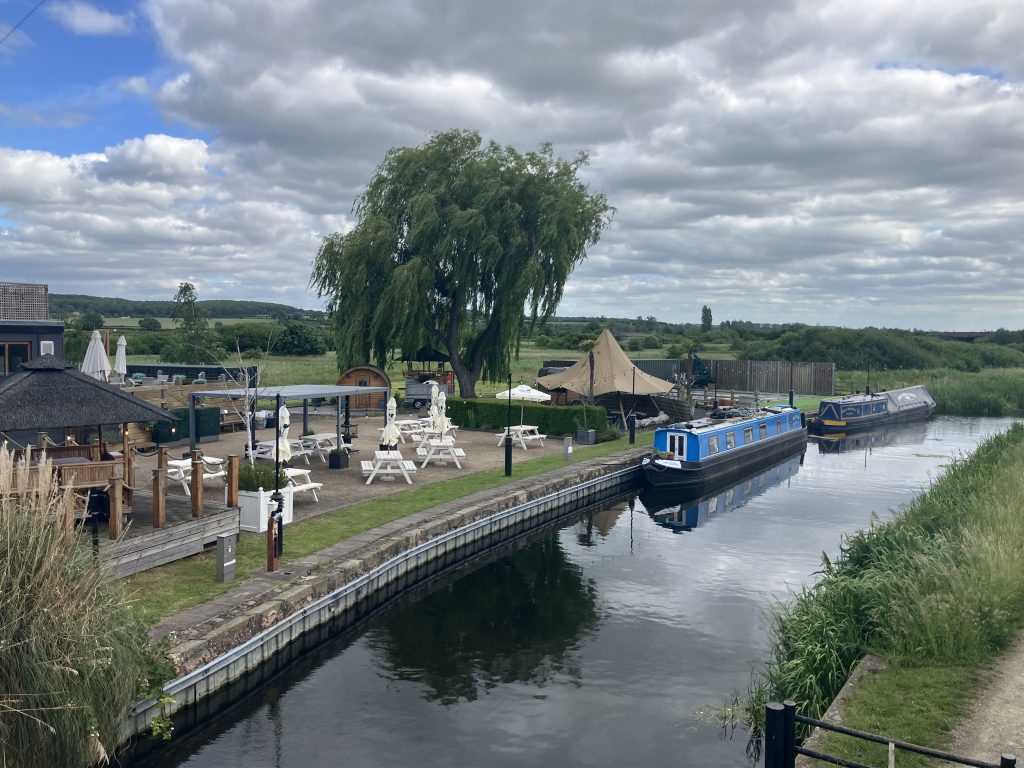
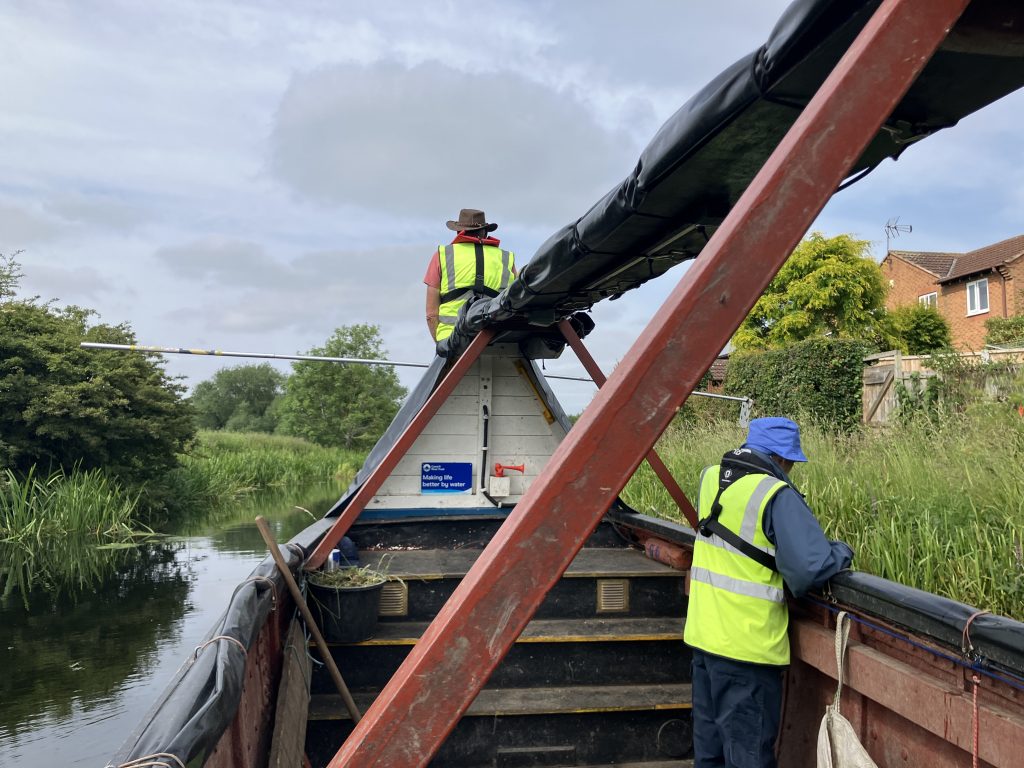
A trip to a nice pub mooring that was supposed to be about 30 minutes turned out to be 3h, but the mooring was really lovely at the Hop Pole pub. I moored next to the Chesterfield Canal Trust’s workboat Python. When a number of Python volunteers showed up the next day for a litter pick trip, they invited me to come along. It was a lot of fun and we fished two tyres and a lot of bottles and plastic bags out of the canal. This canal looks pristine compared to many others I have been on! If I lived on this canal, I would definitely volunteer with Python.
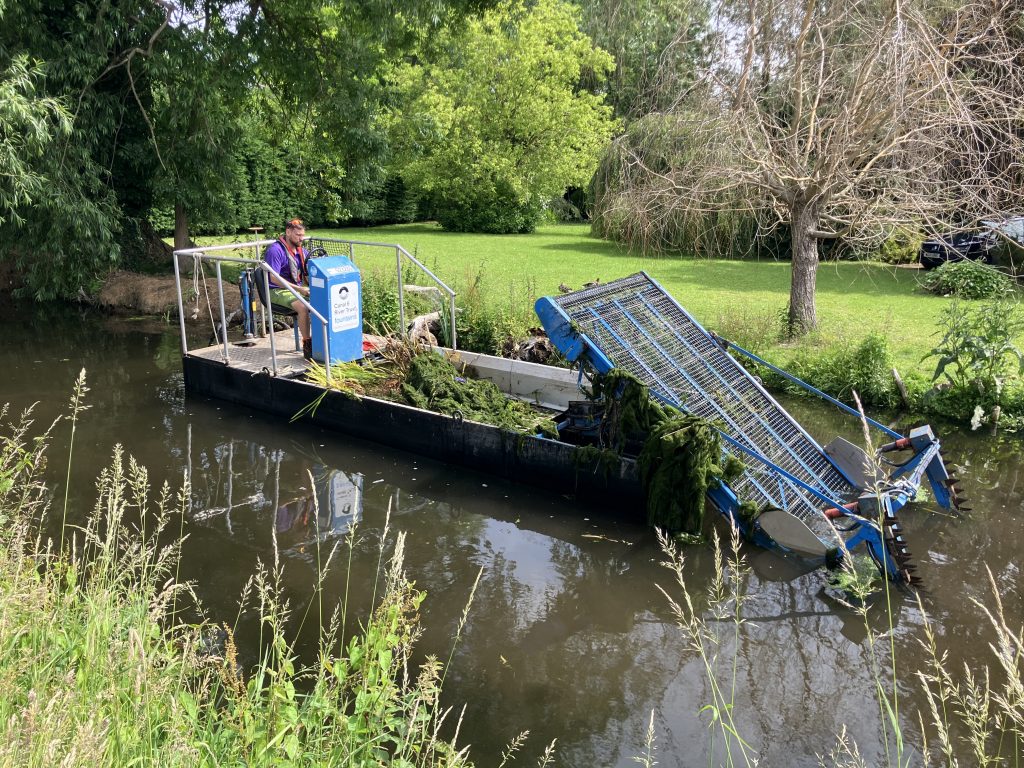
The weather got warmer and warmer and the weed kept blooming. I did see a weed cutter boat on the canal, which was an impressive gadget to watch. But to keep the canal weed-free would require more than one boat as this stuff seems to grow back within days. (I saw on facebook that after I had left 3 weed cutter boats were deployed on the Chesterfield).
Back on the Trent
The way home meant getting back up the tidal Trent, so two more days of tidal passage. The second time is always easier and this time the tide will be incoming. So if I get grounded, there is hope that I will float again shortly as opposed to an outgoing tide, where the situation only gets worse before it gets better in 12 hours!
Wonderfully atmospheric capturing of your journey- enabled me to travel with you. I found the turn off the Trent a difficult one too so you’ve cheered me greatly that not everyone heads in without problems
I like to believe that most people touch the wall! 🙂